Communications Staff
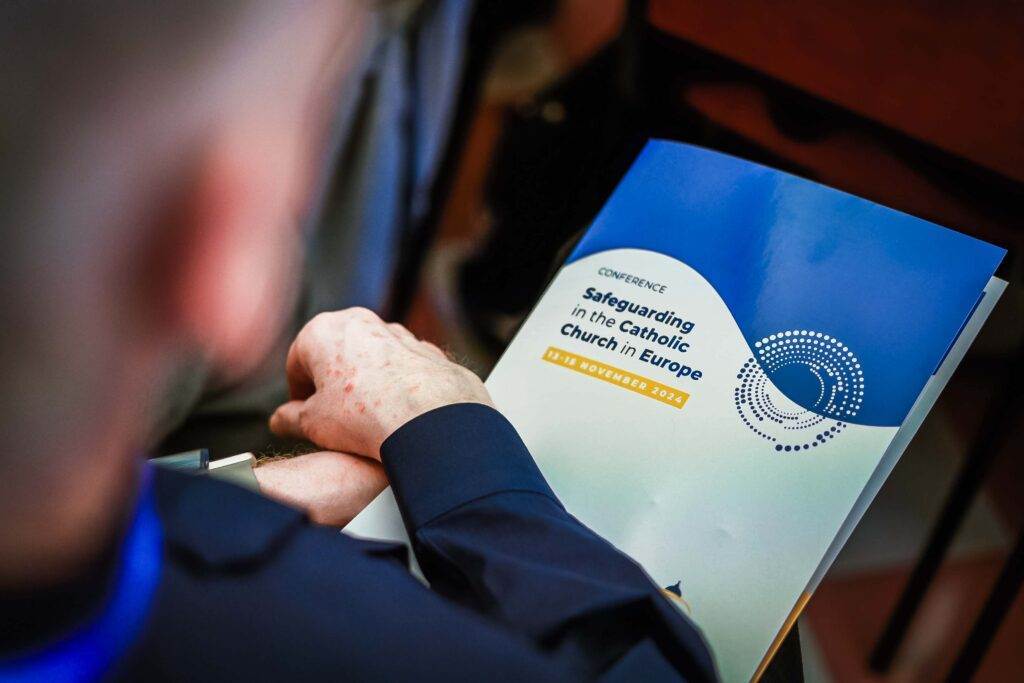
A three-day conference on Safeguarding in the Catholic Church in Europe concluded in Rome Friday with a resounding call for continued vigilance and collaboration in creating a safer Church environment.
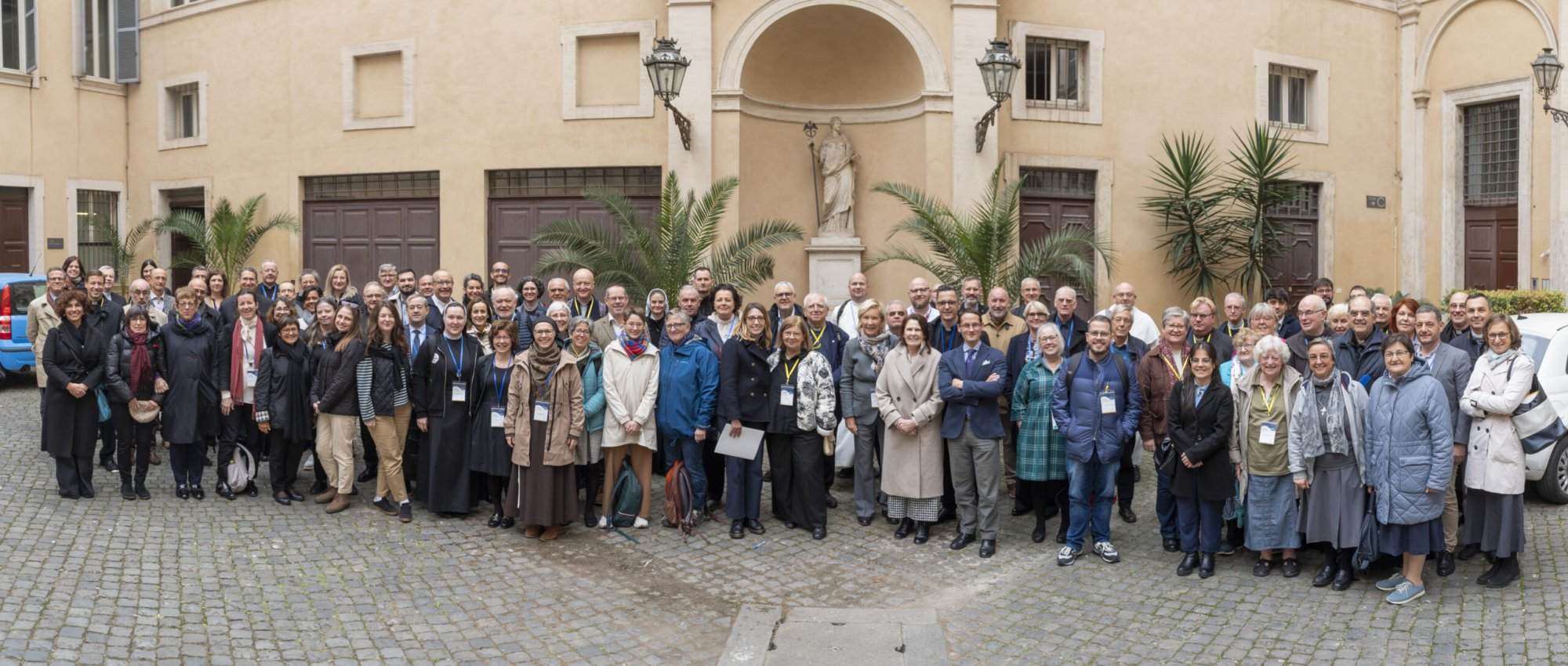
The November 13 to 15 conference was an initiative of the Pontifical Commission for the Protection of Minors’ regional group for Europe and drew together delegates from 25 european nations representing bishops’ conferences, conferences of religious, practitioners, academics, victims and survivors of clerical child sexual abuse and advocates.
Safeguarding understood as a ministry was a recurring theme as was the diversity of cultural contexts that influence approaches to safeguarding in Europe.

Highlights - Safeguarding in the Catholic Church in Europe 2024
Day 3 : Safeguarding in the Catholic Church in Europe 2024
Day 2 : Safeguarding in the Catholic Church in Europe 2024
Day 1: Safeguarding in the Catholic Church in Europe 2024
Delegates also shared the challenges many of their churches face including investment in safeguarding sustainability, safeguarding fatigue among ecclesial personnel and the faithful, creeping complacency in implementation of risk reduction measures, reticence and resistance in victim survivor outreach and accompaniment.
The discussions underscored the necessity of maintaining a proactive stance against abuse, especially in the face of modern challenges such as digital communications technologies that increasingly expose minors to potential exploitation. Additionally, the issue of vulnerability was a significant topic, particularly the compatibility between canon law and local criminal law.
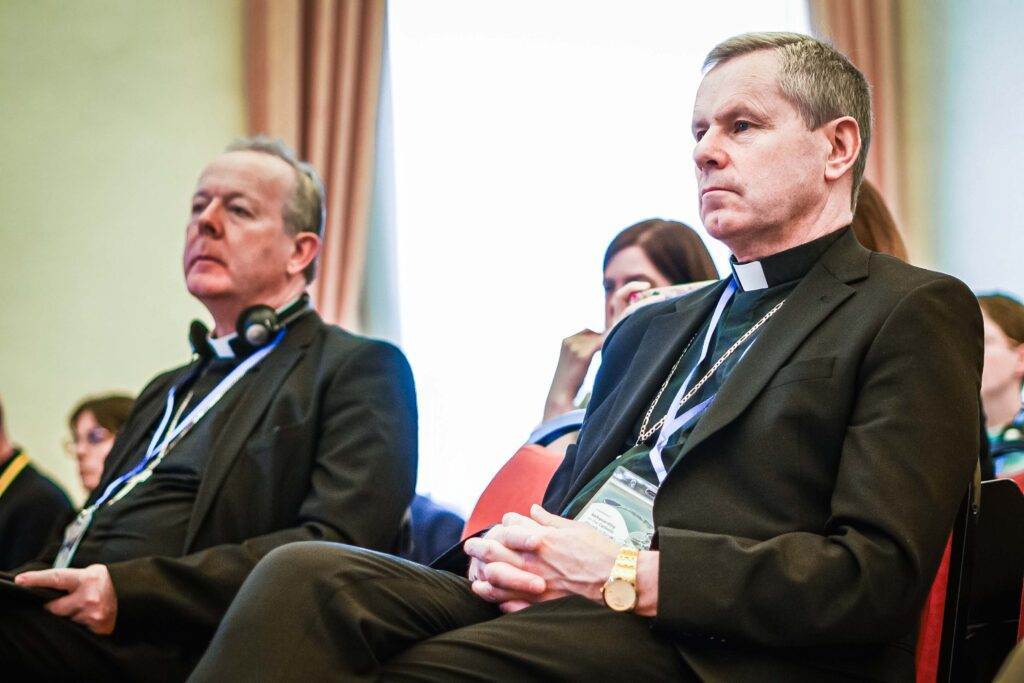
In closing remarks Cardinal Sean Patrick O’Malley, President of the Pontifical Commission for the protection of Minors pointed to the many working group sessions led by abuse survivors, emphasizing the importance of listening to their experiences and the need for the Church to address these realities with unwavering commitment.
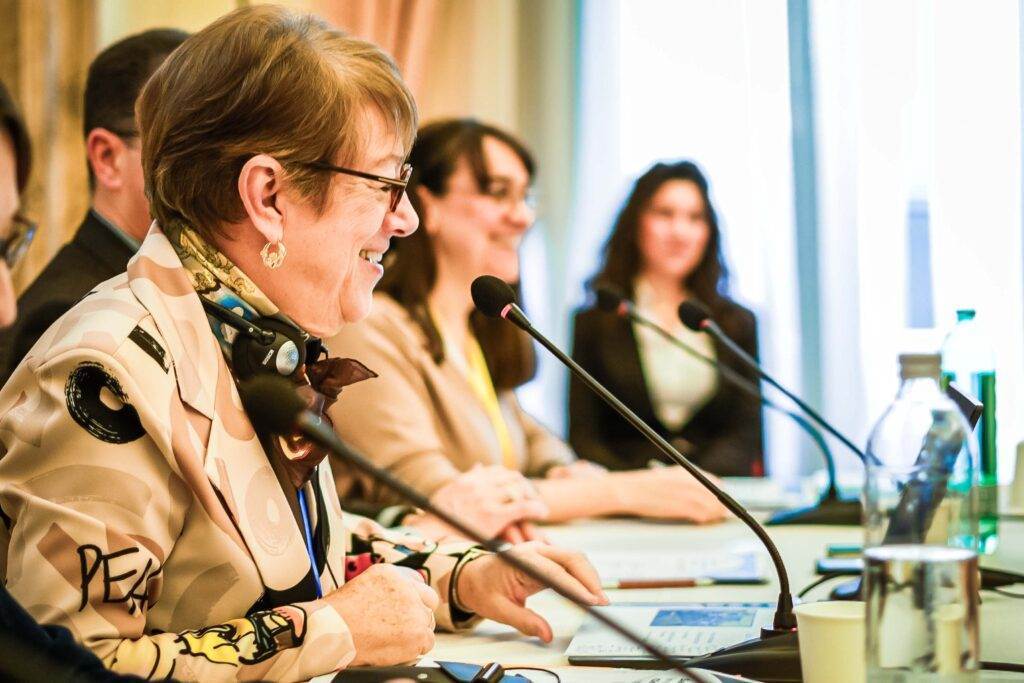
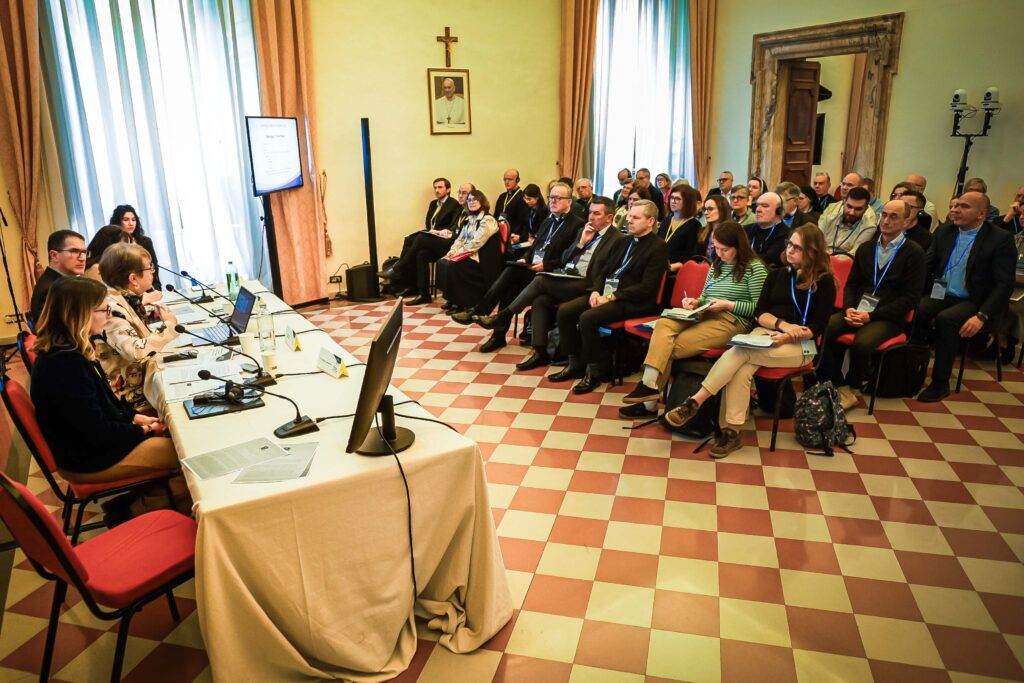
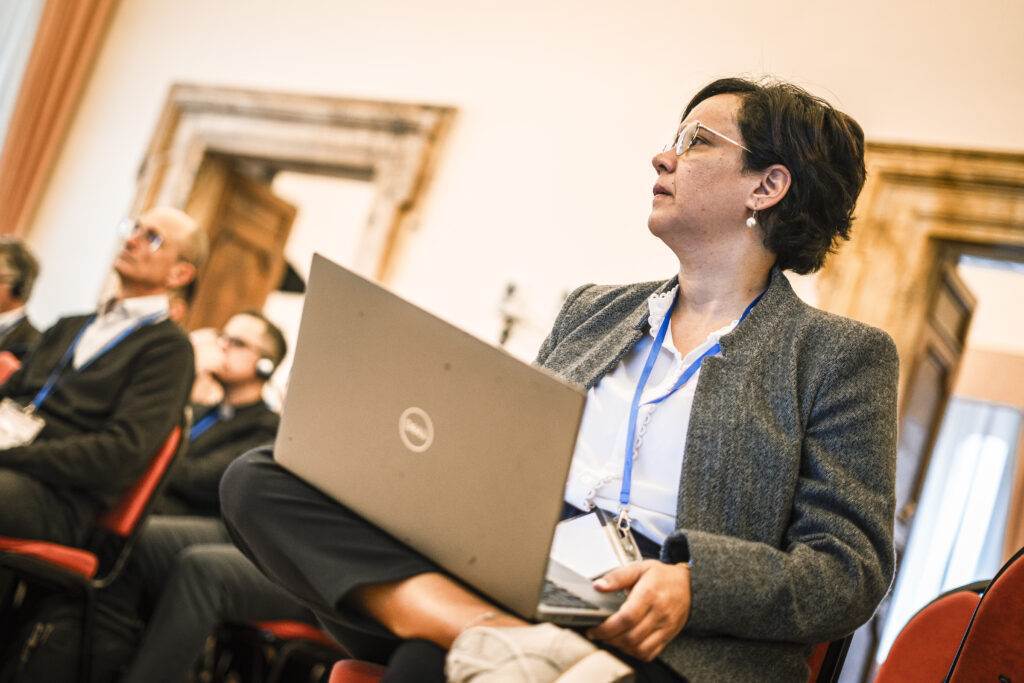
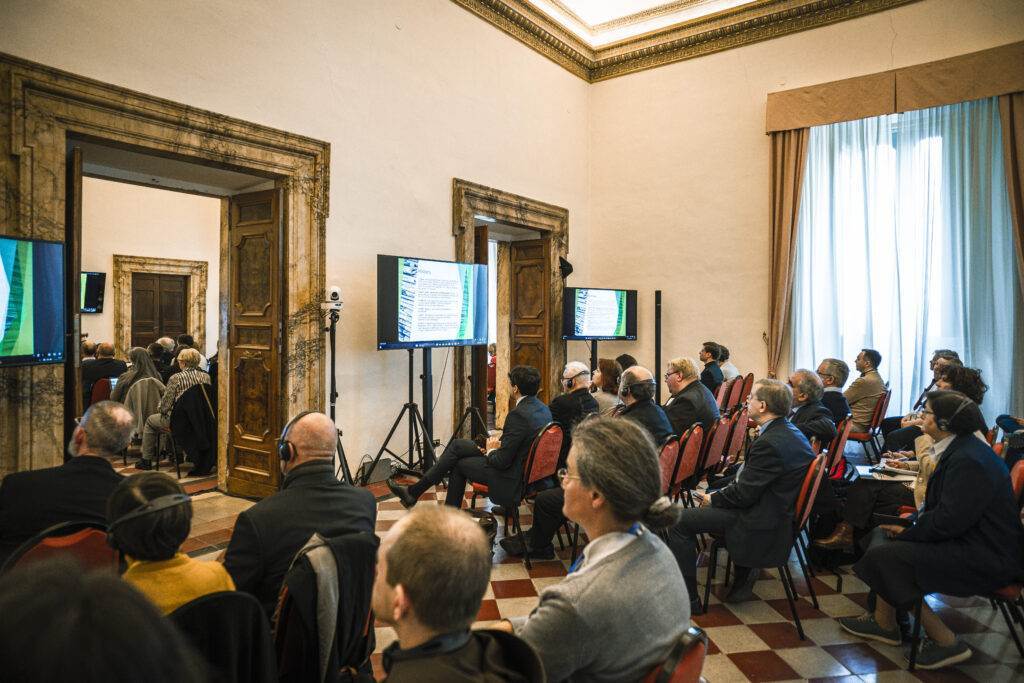
He also underscored how the event highlighted the collective professional talents and dedication of the safeguarding delegates from across the region, bishops, priests, religious and lay people as an expression of the synodal nature of abuse prevention work in the Church.
Teresa Kettelkamp, Secretary Adjunct of the Commission emphasized: “We’ve had tremendous presentations on how safeguarding programs developed out of nothing and how they have flourished, and the impact they have made, not only for the safety of the children and the vulnerable, but also to encourage victims to come forward.”
Building a Network
Participants concurred that building a network on the continent of Europe helps those committed and involved in the crucial work of Safeguarding in each country to not only analyse and examine their own policies and procedures, but to gain ideas to assist implementation and awareness raising programs.
“Proyecto Repara” from Spain presented their work on recognition and attention to people who have been abused, as essential to both reparation and prevention of further abuse. The speakers emphasised the need for a conversion of heart at every level and among all members of the Church.
Delegates from Belgium spoke about a network of “Contact Points” which are safe places for victims and survivors to come forward, and the national churches’ system of annual reporting.
The German church presented its four pillars for Safeguarding including strategies for accompaniment, healing and prevention which are accompanied by processes of reporting and compliance.
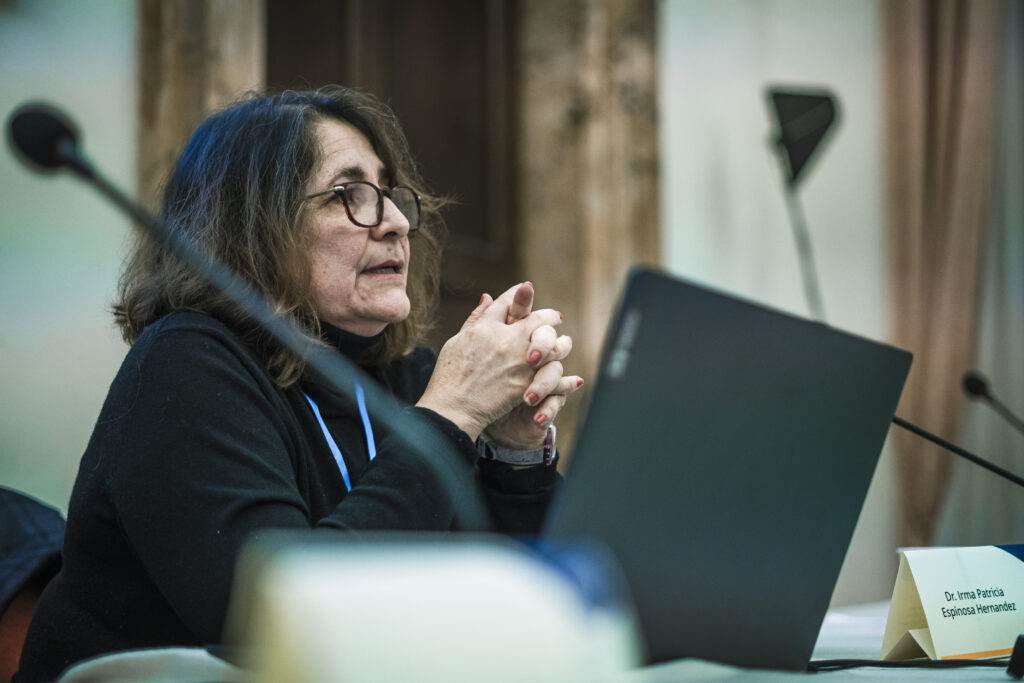
Dr. Patricia Espinosa, gave an overview of the Commission’s Memorare Intitative (MI) and its stages of development in different parts of the world. She particularly focused on the ultimate goal of the capacity building program which is to help less structured churches build their own capacity to provide sustainable safeguarding programs and services, within their specific cultural contexts.
France, Germany, Hungary, Bosnia-Herzegovina, and Belgium shared experiences of collaboration with public authorities in abuse prevention work such as State Parliaments, Public Prosecutors, independent National Commissions and other instances.
“The biggest blessing has been the conversations among the many, many types of peoples all over Europe, Eastern and Western Europe. They’re all talking, collaborating and sharing their challenges and what works,” said Adjunct Secretary Teresa Kettelkamp.
Archbishop John Kennedy, Secretary of the Discipline Section of the Dicastery for the Doctrine of Faith, presented to the conference on the Dicastery’s procedures in handling sexual abuse cases. He also spoke of how the ongoing dialogue and collaboration between offices with safeguarding competencies in the Curia signals a stable effort to help local churches to be proactive in preventing the crime of abuse and intervening competently when abuse occurs.
The Commission’s recently published Pilot Annual Report was presented by Dr. Maud De Boer Buquicchio, as s a tool for institutional conversion of towards a safer church in its global mapping of the status of Safeguarding in the Catholic Church and its tracking of where progress has been made but also where gaps are still present.
After the conclusion of the conference Bishop Ali Herrera, Secretary of the Commission spoke on his experience of the conference: “These days have been enriching for me because I met so many people and discovered many realities of Europe”, he said and added that he has learnt “about what the Church is doing in local churches, in episcopal conferences, and in religious communities, but also in groups of survivors working in Europe.”
The Secretary Adjunct added: “There’s a lot of interest in follow-up. How do we collaborate further? How do we build smaller networks and groups around Europe so we can continue to work together? I think all these is a blessing.”
0 Comments