
OCEANIA REGION — A year-long programme of formation and regional engagement led by the Commission in Asia and Oceania has highlighted both strong demand for safeguarding training and a continued need for practical, context-sensitive tools to support Church leaders in applying canonical norms.
The Commission’s Regional Expert, Daniele Donnini, outlined a series of safeguarding initiatives carried out across Asia in 2025, with a focus on practical formation, network-building and structured feedback to inform future programming.
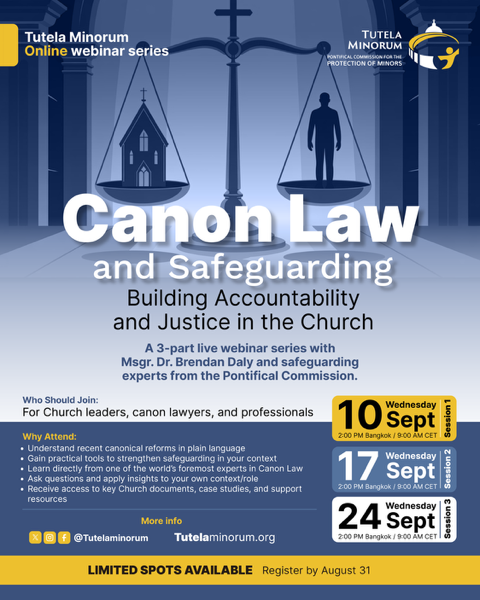
Among the core activities was a three-part Canon Law Series – Asia–Oceania, held online between 10 September and 15 October, which drew nearly 800 registrations across three sessions. The webinars addressed canon law on sexual abuse, preliminary investigations, and the extra-judicial administrative penal process. According to participant evaluations, the series significantly strengthened conceptual understanding of canonical procedures, while also revealing ongoing challenges in translating norms into operational practice, particularly in contexts affected by cultural taboos, limited authority and governance constraints.
Donnini said the feedback gathered after each session played a central role in shaping the region’s planning for 2026, allowing the Commission to identify concrete needs such as step-by-step guidance, standardised documentation tools and clearer escalation pathways when local processes are compromised.
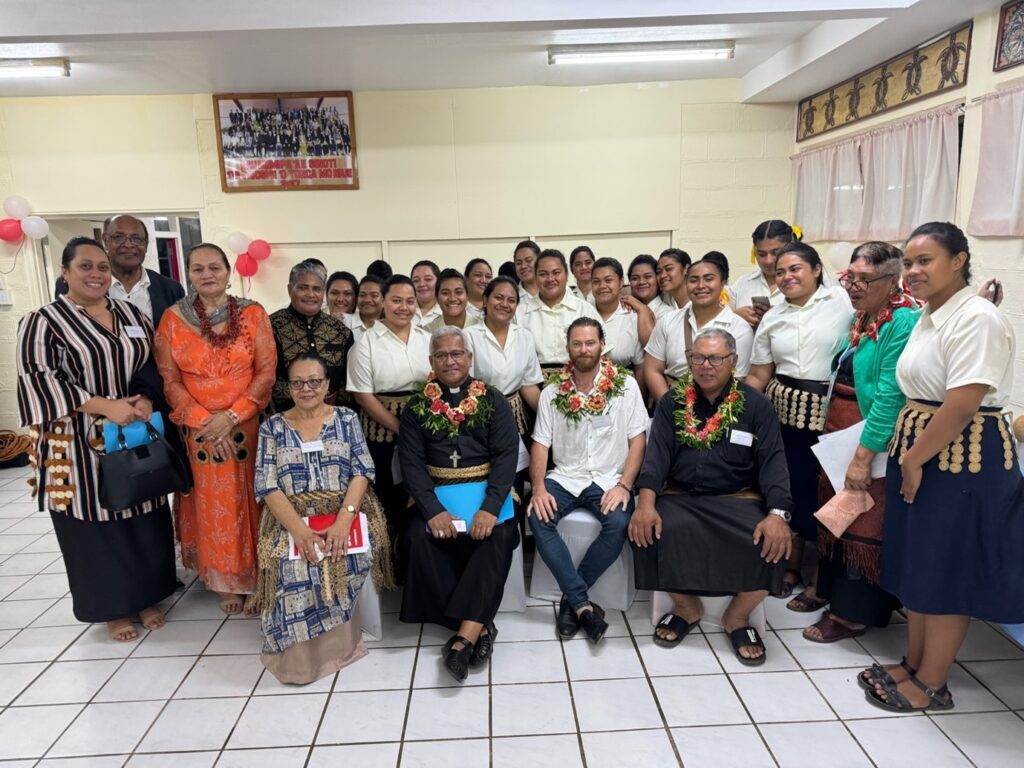
Beyond the webinar series, the Asia–Oceania region undertook several in-person formation initiatives using the Universal Guidelines Framework as a common reference point. In Fiji, a two-day regional seminary workshop brought together more than 100 seminarians from across the Pacific, representing island nations throughout Oceania. The sessions focused on applying safeguarding principles to real-life case studies within local cultural contexts.
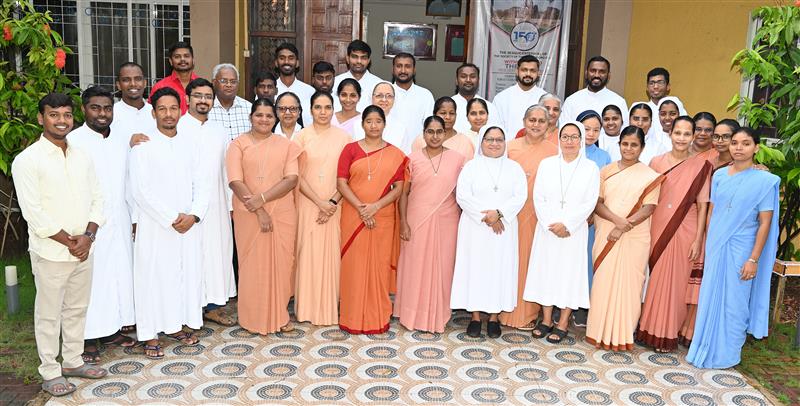
A similar approach was adopted in Pune, India, where a two-day workshop was held for 41 priests, religious sisters and brothers preparing for overseas mission assignments. The training explored safeguarding responsibilities in cross-cultural settings, again grounding discussions in the principles of the Universal Guidelines Framework.
“Across the series, participants showed strong understanding of the norms, but also a clear need for practical support to move from knowing the law to applying it responsibly in real cases.” – Daniele Donnini
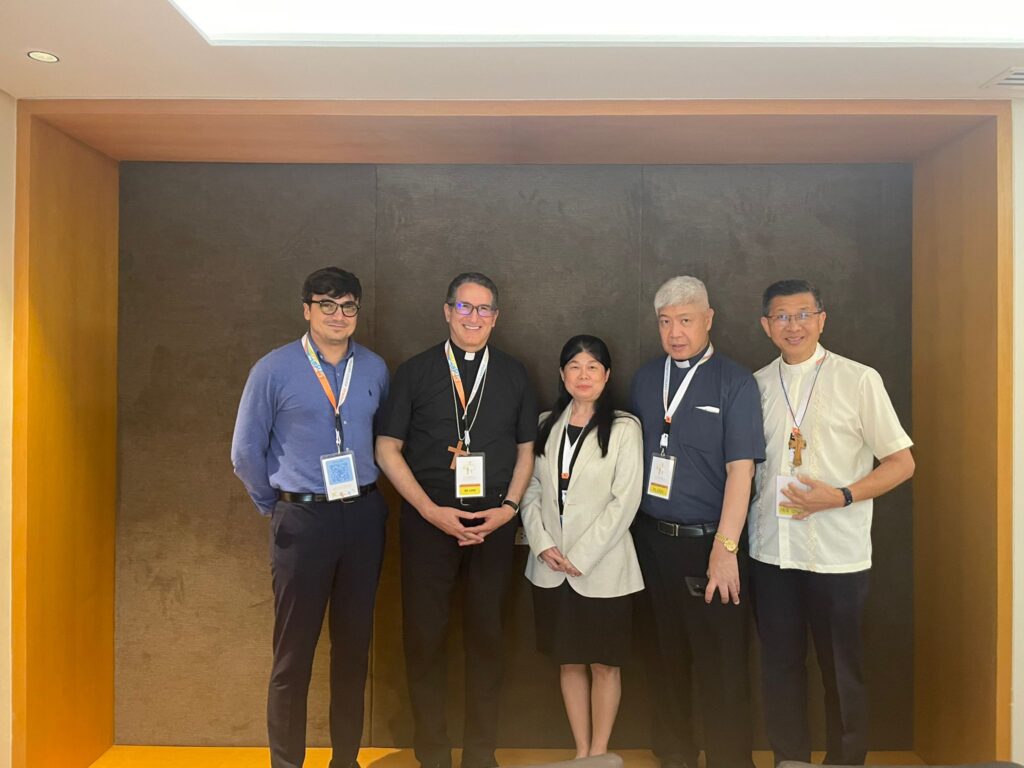
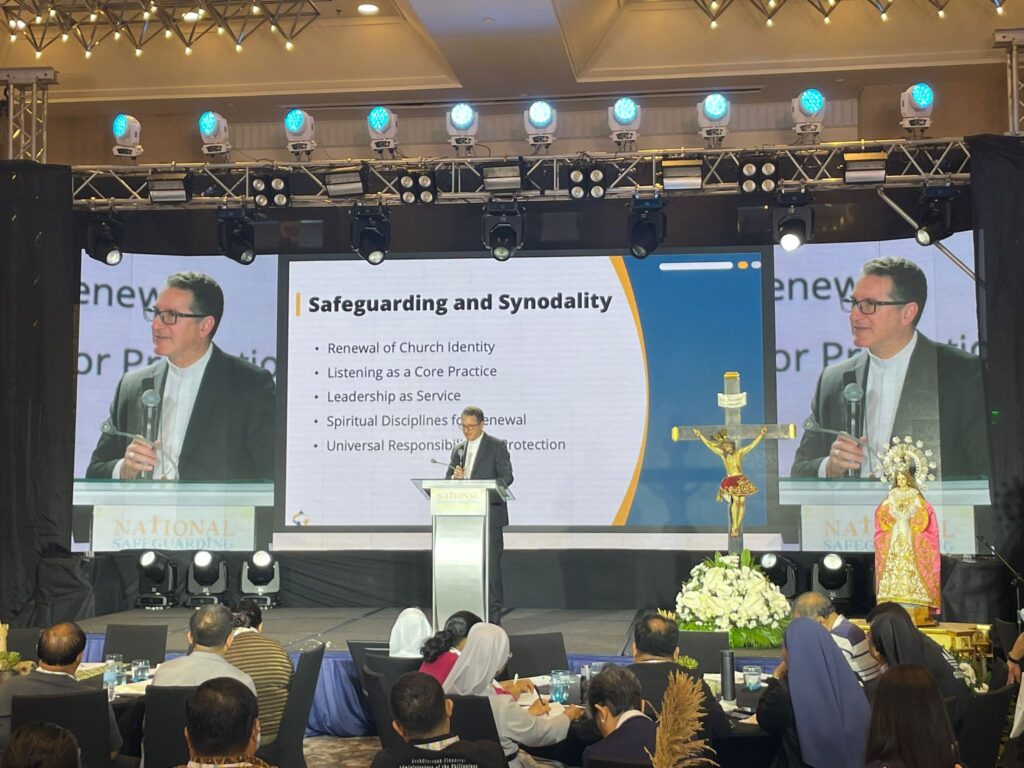
Donnini also highlighted the National Safeguarding Conference held in the Philippines earlier in the year, which gathered more than 300 bishops, clergy, religious and lay leaders. The conference served both as a forum for raising awareness of the Commission’s work in Asia and as a listening exercise, collecting more than 120 survey responses on how the Annual Report is understood and used, particularly in relation to justice and the Commission’s framework of conversional justice.
Across these initiatives, Donnini emphasised the importance of structured evaluation, including pre- and post-training assessments, to measure learning outcomes and guide future offerings. He noted that this approach has helped the Commission better understand practical needs on the ground and strengthen relationships with episcopal conferences, civil society partners and regional Church networks.
Building on this work, the Asia–Oceania region is preparing a follow-up programme for 2026 that will respond directly to the needs identified through training evaluations and consultations. Planned activities include further case-based learning, integrated canonical–civil practice guidance, and continued use of the Universal Guidelines Framework as a shared language for safeguarding across diverse cultural contexts.
0 Comments