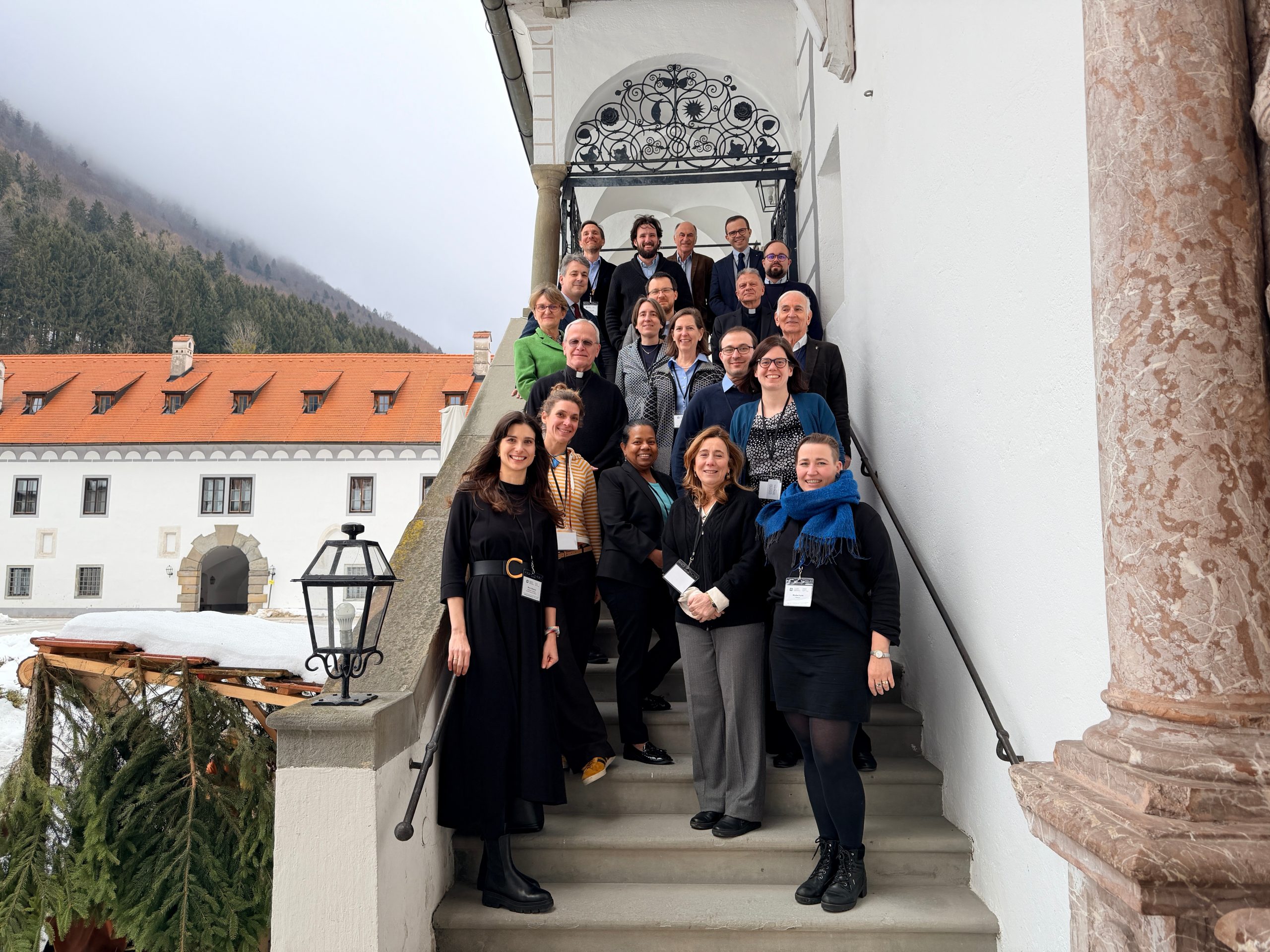
GAMING, AUSTRIA – On 28 January, representatives of Catholic aid agencies gathered at the invitation of the Subcommittee on Aid to the Church in Central and Eastern Europe of the United States Conference of Catholic Bishops (USCCB). During the meeting, the Regional Advisor for Central and Eastern Europe of the Commission presented the work of the Commission and introduced its three key pillars: the Universal Safeguarding Guidelines, the Annual Report and the Memorare Initiative and its study groups.
Central and Eastern Europe is marked by vibrant faith communities and a complex legacy of persecution, political control and institutional fragility. These experiences have shaped deep resilience, but they have also left patterns of silence and mistrust that make it difficult to speak about abuse openly, to report concerns and to hold institutions accountable. In this context, safeguarding is not only a matter of procedures; it is a longterm process of conversion in which Church structures, pastoral practice and public witness are gradually aligned around the protection of minors and vulnerable persons.
“I experienced this meeting as very fruitful and deeply encouraging. It felt like a precious opportunity to continue walking together with the Church in Central and Eastern Europe, in a spirit of mutual trust, listening, and shared responsibility.” – Dr. Márta Benyusz, Regional Expert for Europe
The Commission seeks to accompany local Churches in this region along that path. The Universal Safeguarding Guidelines supports bishops’ conferences in building coherent safeguarding systems; the Annual Report encourages transparent assessment and accountability; and the Memorare Initiative offers practical assistance as new structures and competencies are put in place. Presenting these three pillars in Gaming was a further step in integrating Central and Eastern Europe into the wider global safeguarding architecture of the Church.
Aid agencies play a crucial role in this process. Their longstanding presence in the region, as well as their experience in supporting institutional development, makes them natural partners in strengthening safeguarding offices, training personnel and improving responses to survivors. The Gaming meeting highlighted how closer collaboration between these agencies and the Commission can help ensure that projects in Central and Eastern Europe systematically include safeguarding dimensions and contribute to a shared culture of protection.
Looking ahead, the Commission intends to continue this journey with the local Churches of Central and Eastern Europe, working together with funding partners to make safeguarding an ordinary, reliable and visible part of ecclesial life throughout the region.
0 Comments