
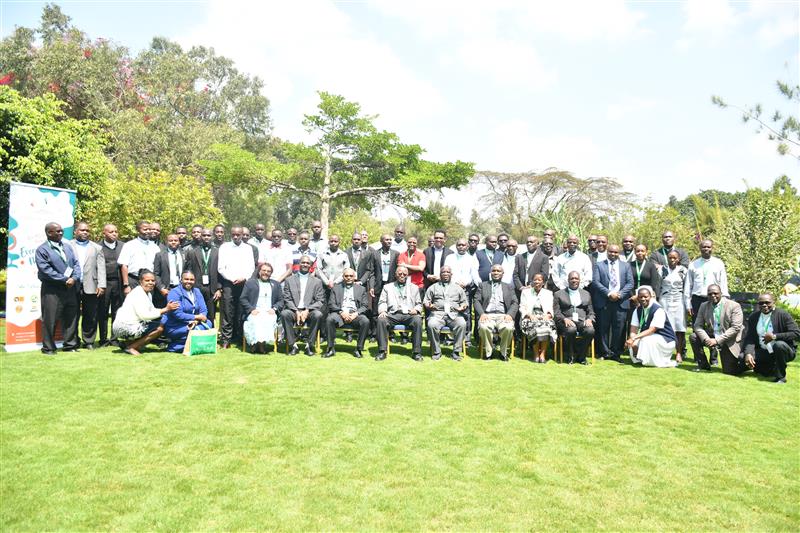
NAIROBI — Bishops, clergy, religious, and seminarians from across Eastern Africa have pledged to deepen safeguarding formation in seminaries, calling for a move from policy to practice in protecting minors and vulnerable adults.
The first AMECEA Regional Learning Forum for Safeguarding in Seminaries, held in Nairobi from 20–24 October, gathered 70 delegates under the theme “To the Pulpit with Love and Care: Towards a Deeper Safeguarding Commitment Through Seminary Formation.” Organised by the AMECEA Safeguarding Initiative, the conference drew participants from seminaries, dioceses, and universities, including Tangaza University College, Hekima University College, and the Jesuit Conference of Africa and Madagascar.
Rt. Rev. Rogarth Kimaryo, Bishop of Same in Tanzania, opened the conference by stressing that safeguarding is an essential pastoral duty and by urging seminaries to form priests capable of empathy and accountability. Fr. Dr. Stéphane Joulain highlighted the importance of emotional and social maturity for seminarians, noting that formators must model empathy and foster an environment of care.
Addressing the gathering, Rt. Rev. Cleophas Oseso, Bishop of Nakuru, Kenya, called for a listening Church. “Children do not talk often, but a lot happens to them,” he said. “We must build environments where they are heard and supported in ways that inspire trust.” He acknowledged mistakes made in the past and urged a renewed commitment to preventing all forms of abuse.
“We cannot separate our ministry from the responsibility to protect.” – Rt. Rev. Rogarth Kimaryo
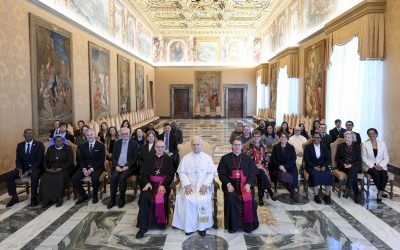
The Commission presented its Memorare Initiative and Annual Report, both of which drew strong interest from participants. Several bishops referenced the initiative in their remarks, and delegates discussed ways to strengthen safeguarding structures across the region.
In a communiqué issued at the close of the conference, delegates acknowledged that abuse has occurred within Church communities and reaffirmed safeguarding as a Gospel imperative rooted in Scripture. They stressed that protecting the vulnerable is both an individual and collective responsibility, calling on all Church institutions to embody care and accountability in daily life.
The communiqué urged the harmonisation of safeguarding policies and standards across dioceses, greater integration of safeguarding into seminary curricula, and the creation of safeguarding desks within seminaries to provide spaces for listening and dialogue. Delegates also called for continuous formation for young priests and pastoral agents, ensuring that safeguarding values remain central beyond ordination.
Concluding the conference, Rt. Rev. Alex Lodiong Sakor, Bishop of Yei, South Sudan, read the final statement on behalf of participants. “The Church remains a beacon of hope in society,” it said. “By prioritising the vulnerable, the Church can heal society and foster conversion, ensuring that children and vulnerable adults are protected and valued.”
The bishops reaffirmed their commitment to producing future priests grounded in compassion, responsibility, and the safeguarding mission of the Church.

0 Comments