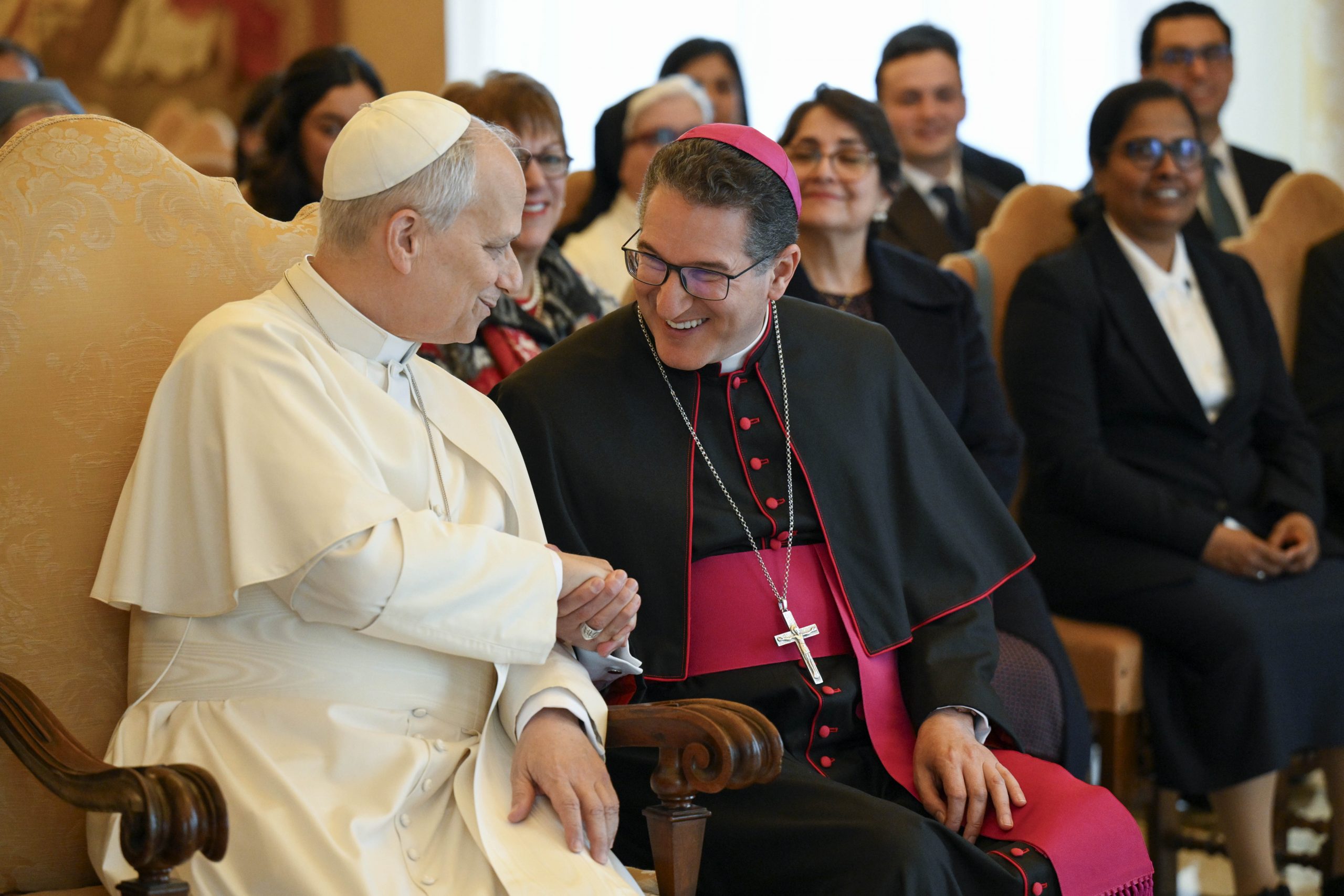
ROME — The Commission has concluded its Spring 2026 Plenary Assembly in Rome, marking five days of discussions centred on strengthening safeguarding practices, deepening engagement with victims and survivors, and advancing global guidelines for the protection of minors.
The gathering brought together members and staff from across the world to assess current safeguarding efforts and identify priorities for the year ahead. Central to the Assembly was a renewed emphasis on placing victims and survivors at the heart of all safeguarding initiatives.
Gratitude for Papal Leadership
Participants opened the Assembly by expressing gratitude to Pope Leo XIV for his continued leadership and support of the Commission’s mission. In his address, the Holy Father reaffirmed the importance of accompanying local Churches in building robust safeguarding cultures and structures.
Commission President Mons. Thibault Verny underscored the importance of attentive listening, humility, and shared responsibility, particularly in a global context marked by conflict and instability that continues to affect children and vulnerable communities.
Global Collaboration and Emerging Challenges
Discussions throughout the week highlighted the urgency of collaboration between Church bodies and civil society. Contributions from members, including Prof. Benyam Dawit Mezmur, focused on safeguarding challenges in Africa, while representatives from Catholic initiatives shared insights into cross-institutional cooperation. Members echoed the need for a more open and collaborative approach across ecclesial and civil actors in responding to safeguarding challenges worldwide.
Victim and Survivor Engagement at the Centre
A significant portion of the Assembly was dedicated to reviewing the Commission’s trauma-informed procedures. Members explored ways to ensure that the experiences and testimonies of victims and survivors more consistently inform policy development, training programmes, and the Annual Report. The Assembly reaffirmed that engagement with victims and survivors must remain the central reference point for all safeguarding work.
The Commission also addressed recent reports of abuse, acknowledging the profound harm suffered and the failures that allowed such abuse to occur. Members reiterated their commitment to accountability, transparency, and continued efforts to ensure that safeguarding remains integral to the life of the Church.
Advancing the Universal Guidelines Framework
Progress on the Universal Guidelines Framework was another key focus. Members reviewed the current phase of development, emphasising the need for clear, accessible, and culturally adaptable guidance that can be implemented across diverse contexts. The final version of the Guidelines is expected to be presented to the Holy Father later this year, with the aim of equipping local Churches with practical tools grounded in both Gospel values and professional standards.
Strengthening the Memorare Initiative
Updates were also provided on the Memorare Initiative, which now supports 18 local Churches across Asia/Oceania, Africa, and Latin America. The initiative continues to strengthen reporting systems, training, and safeguarding capacity through a structured model of assessment, implementation, and evaluation. Members discussed ongoing challenges, including limited accountability mechanisms and resource constraints in some regions, while noting encouraging progress in others.
Annual Report as a Tool for Accountability
The Assembly reviewed developments in the Commission’s Annual Report, highlighting its growing role as both a tool for global accountability and a means of accompaniment for local Churches. Members noted the increasing contribution of survivor focus groups and new partnerships with civil society, which are expanding the evidence base and strengthening both qualitative and quantitative analysis. Particular attention was given to safeguarding challenges within religious life, where issues of power, culture, and silence can hinder reporting.
Addressing Vulnerability and Online Abuse
Attention was also given to emerging areas of concern. A study group on vulnerability presented a new multidisciplinary framework examining how vulnerability is shaped by relational, cultural, and institutional factors. Another group reported on the growing risks of online abuse, stressing the need for urgent action in digital safeguarding, in line with the Holy Father’s call to address the global scale of harm affecting children and vulnerable persons.
A Continued Commitment to Safeguarding
The Assembly concluded with a renewed commitment to fostering a culture of care, accountability, and transparency across the Church, recognising that while progress has been made, significant work remains.

0 Comments