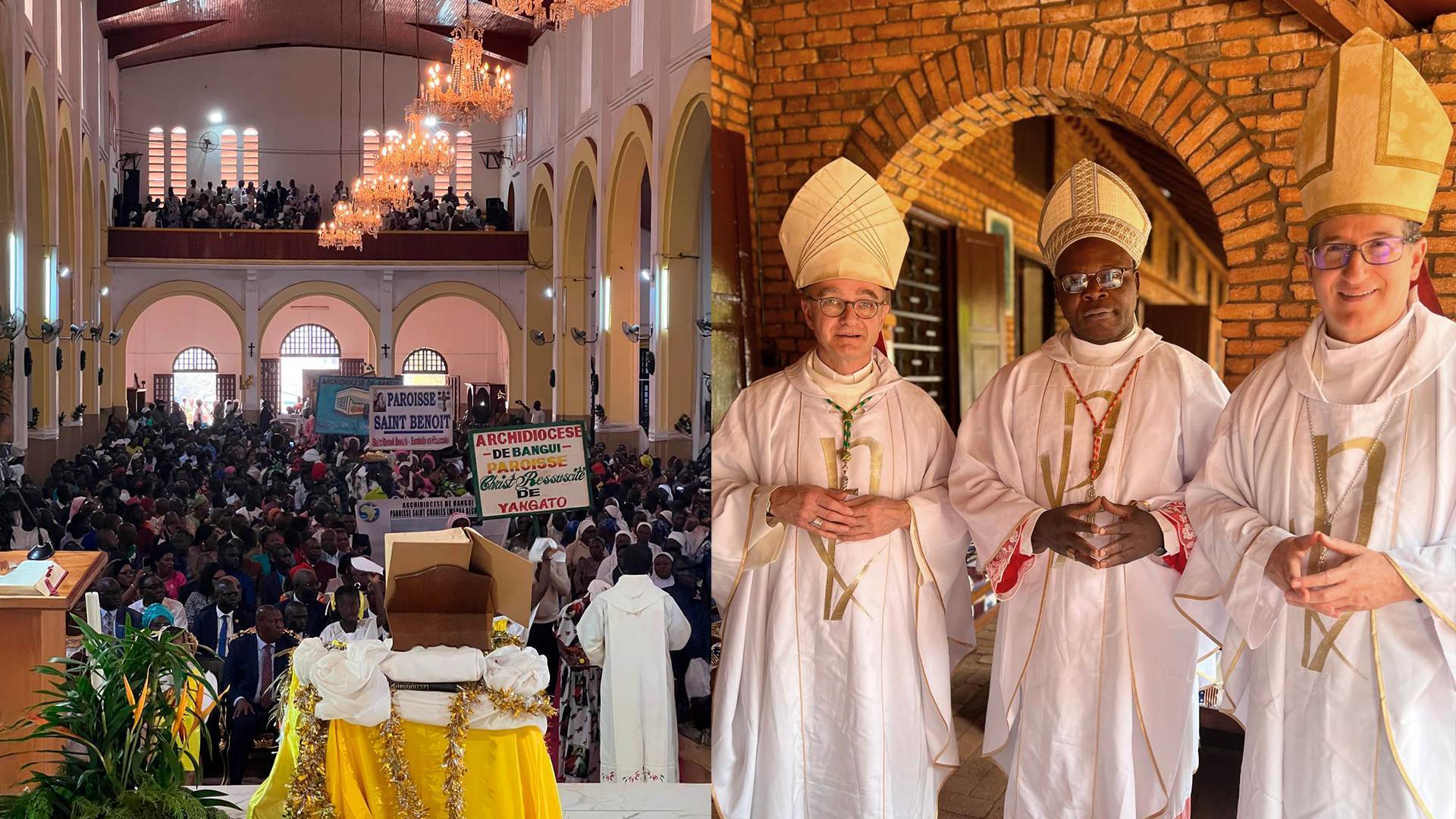

A Commission delegation travelled to the Central African Republic, highlighting the vitality of the young church and its growing safeguarding needs.
Communications staff
The Central African Republic lies in the heart of Africa and is home to a population of 6 million, an estimated 50 percent of which are Christian, mainly Catholic, and 47 percent of which is aged 0 to 14 years.
The young nation, plagued by insecurity and multi-dimensional poverty, was the destination chosen by Commission Secretary Mons. Luis Manuel Alí Herrera for his first trip to Africa, as part of the Commission’s synodal process for the accompaniment of local churches in the development of their safeguarding policies and structures.
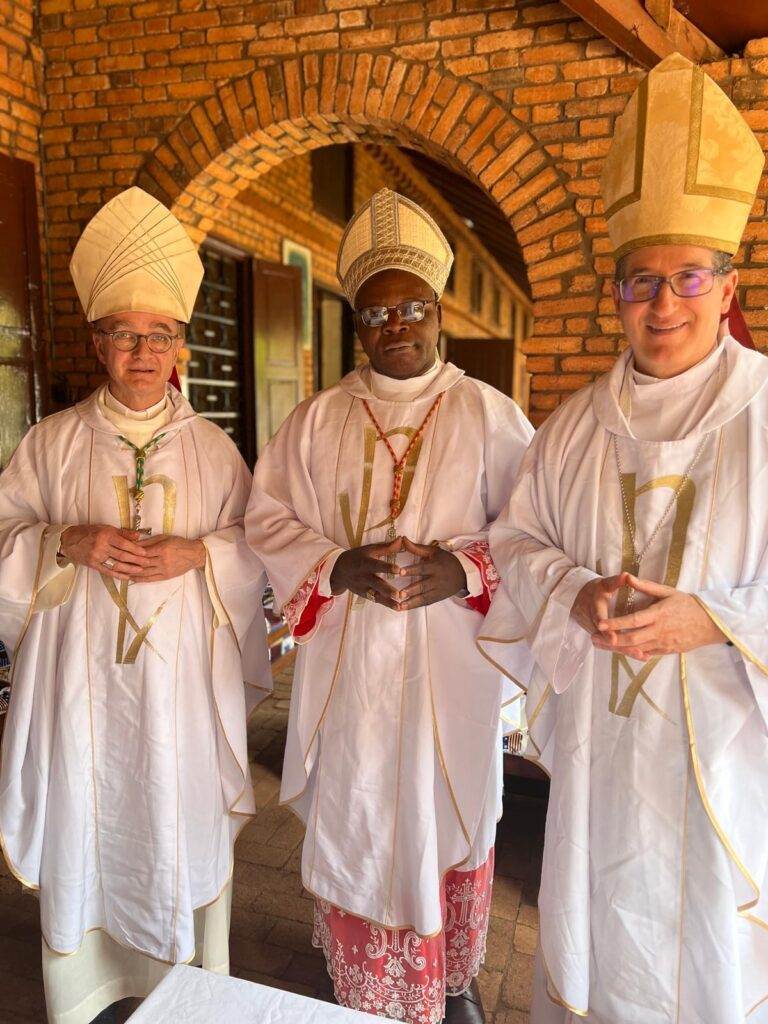
Accompanied by Commission Member Monsignor Thibaut Verny, he travelled to the landlocked country January 10-13, to strengthen dialogue and plan future steps in the implementation of their safeguarding programs with the Central African Episcopal Conference (Conférence Episcopal Centrafricaine – CECA). This trip was preceded by a dialogue that first began with the bishops Ad Limina visit to Rome in 2023.
“Our visit to the Central African Republic was motivated by our desire for a fraternal meeting with the Bishops’ Conference”, Mons. Verny stated, adding that “we were impressed by the warm welcome, the depth and confidence of our discussion.”
Synodality and Solidarity in Safeguarding children and vulnerable people from abuse
The Commission representatives met with Archbishop Giuseppe Laterza, Apostolic Nuncio of Central Africa and Chad, at the headquarters of the Nunciature and discussed the life of the Church in the nation as well as the socio-political challenges that the population faces.
The Secretary and Mons Verny then joined the nine Bishops who comprise CECA in the capital Bangui, for their Plenary Assembly. They discussed the Universal Guidelines Framework for the prevention of abuse in ecclesial settings, and the Commission’s program to build local capacity in assisting victims and survivors of abuse who come forward with complaints, called the Memorare Initiative. They also shared with the bishops the scope of the Annual Report on Safeguarding Policies and Procedures in the Church requested by the Holy Father, which tracks global progress and gaps in this area.
“If we want to gauge the efficacy of our assistance to the pastors and church personnel charged with responsibility for the protection of minors, we must reach them where they are and assist them based on their safeguarding needs,” Mons Alí observed.
He continued: “It is only by going there, by listening to everybody, leaders, operators, lay faithful and seeing firsthand, that we begin to fully understand the diverse social, political and cultural challenges a local church may face their own context, and how that impacts their safeguarding needs. This analysis is essential in determining a policy that properly responds to present challenges, and this has to be done in person. Thankfully, the Commission has Regional Teams who will now follow up with the CECA and support their safeguarding people on the ground.”
Mercy and Hope in a Young and Growing Church
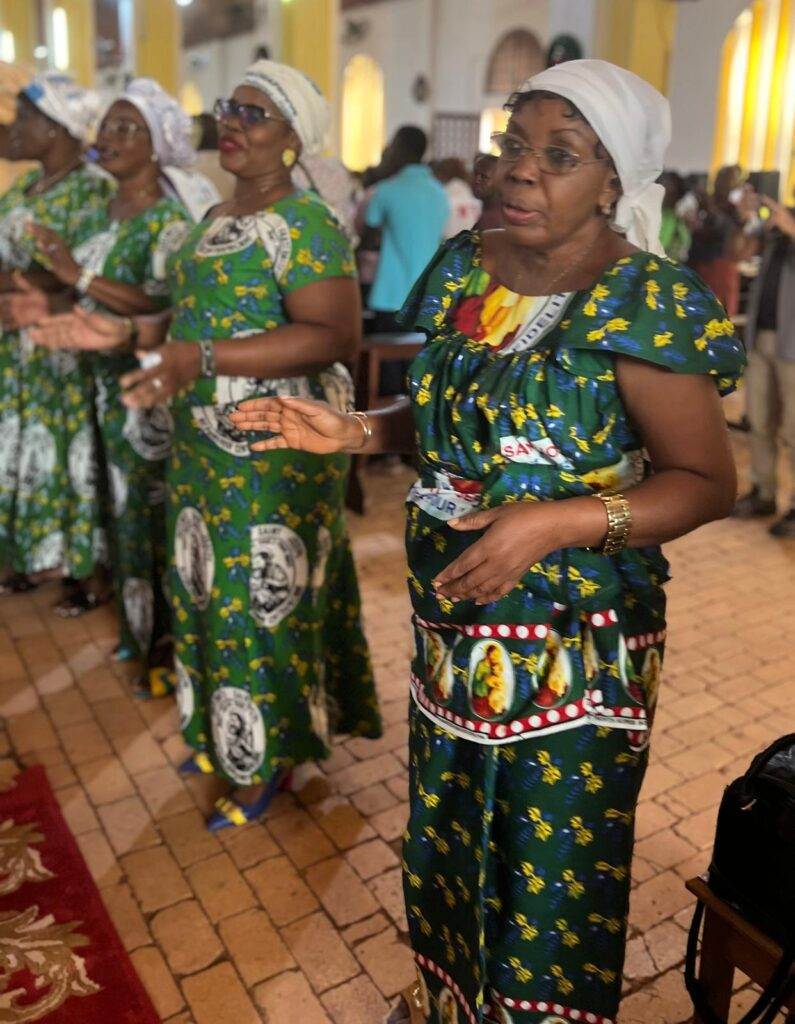
The last day of the visit began with a procession through the Holy Door of the Cathedral of Our Lady in Bangui. The same door with which Pope Francis opened the Jubilee Year of Mercy 2015. The Sunday Mass was the closing event of the bishop’s Plenary Assembly.
Speaking of his experience visiting an African country for the first time, Mons. Alí said that “it was very meaningful to know the vivacity of a young Church of 130 years, to listen to the difficulties and also the challenges of their pastors and to share their faith in the Eucharistic celebration”.
Mons. Verny stated that “this trip was a landmark for the Commission’s work in Africa, and full of promise”.

0 Comments