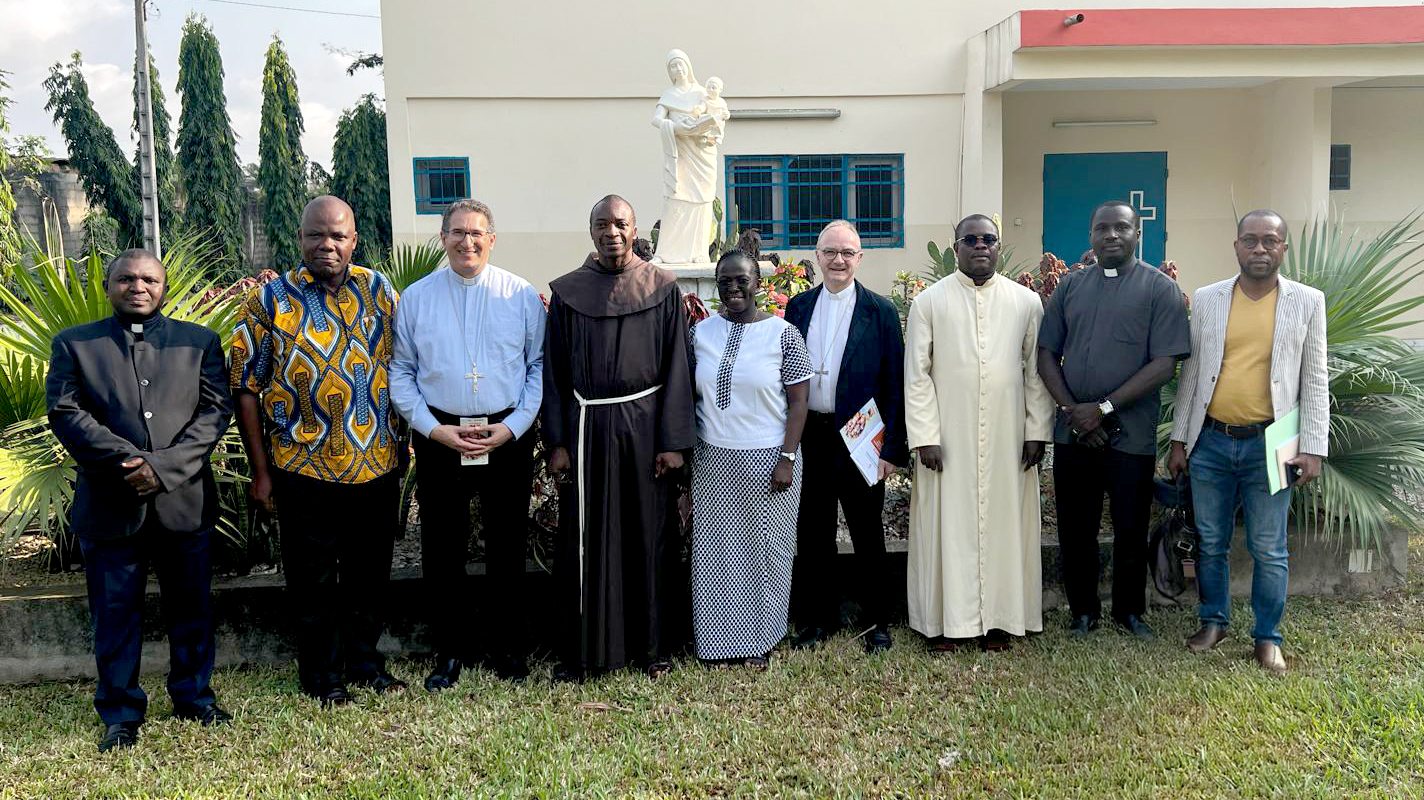
Commission Secretary Bishop Ali and member Archbishop Thibault Verny travel to Ivory Coast, home to 62 ethnic groups, and hear from bishops, religious and faith communities working in challenging contexts to advance an end to sexual violence on the ground.
“The cultural context of the African church is an issue that should be considered as a priority,” observes Commission Secretary Luis Manuel Ali Herrera, on return from the second trip to the great content undertaken with French Archbishop Thibault Verny in just under a month.
January 21 to 24 the Commission delegation visited the church in Côte d’Ivoire [Ivory Coast –ed] after their previous New Year’s visit to the Central African Republic.
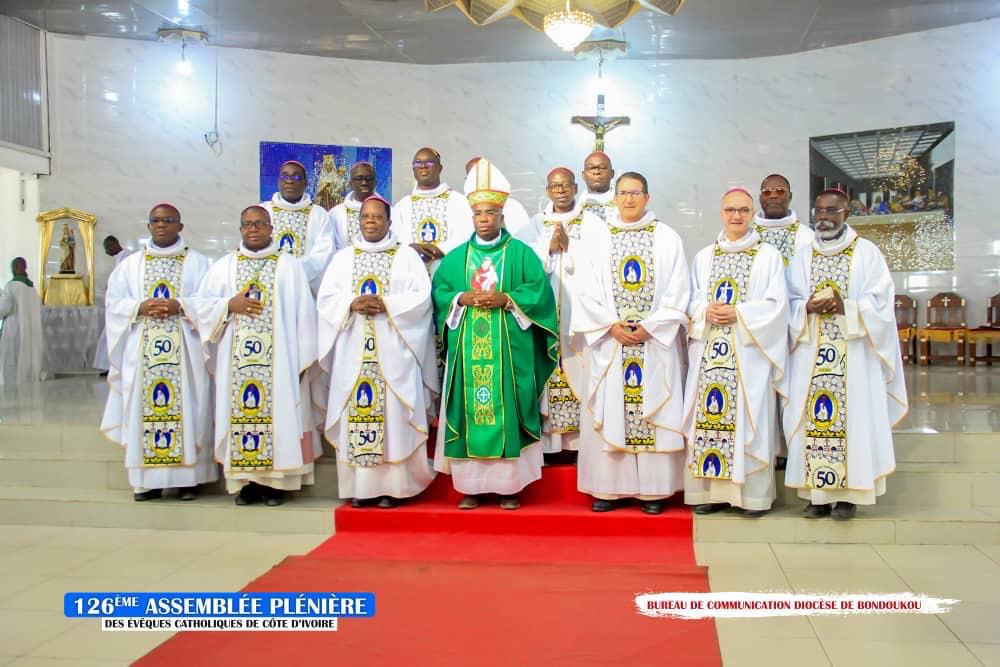
Both of these working journeys coincided with the national bishops’ conference’s Plenary Assemblies and flow from the Commission’s mandate to accompany local churches in building their safeguarding capabilities.
This accompaniment is designed to be synodal in its approach, but with an eye to on-the-ground verification and passes through three key stages: Initial consultation with the leadership, primarily when they are in Rome [Ad Limina visits, general congregations etc..], the Commission’s evaluation of the information shared in these consultations and recommendations that emerge, followed by a needs analysis and implementation plan conducted on the ground through the Commission’s Regional Groups and the Memorare Initiative capacity building program.
Archbishop Verny and Secretary Ali arrived on Tuesday, January 21, in the capital Abidjan, home to 8 million of the nation’s 32 million people, half of whom are Christian. The national population is divided into 62 ethnic groups, that are collected within five major tribes: Akan: 42%, Gur: 17.5%, Kru: 12.5%, Mande du Nord: 16.5% and Mande du Sud: 10%.
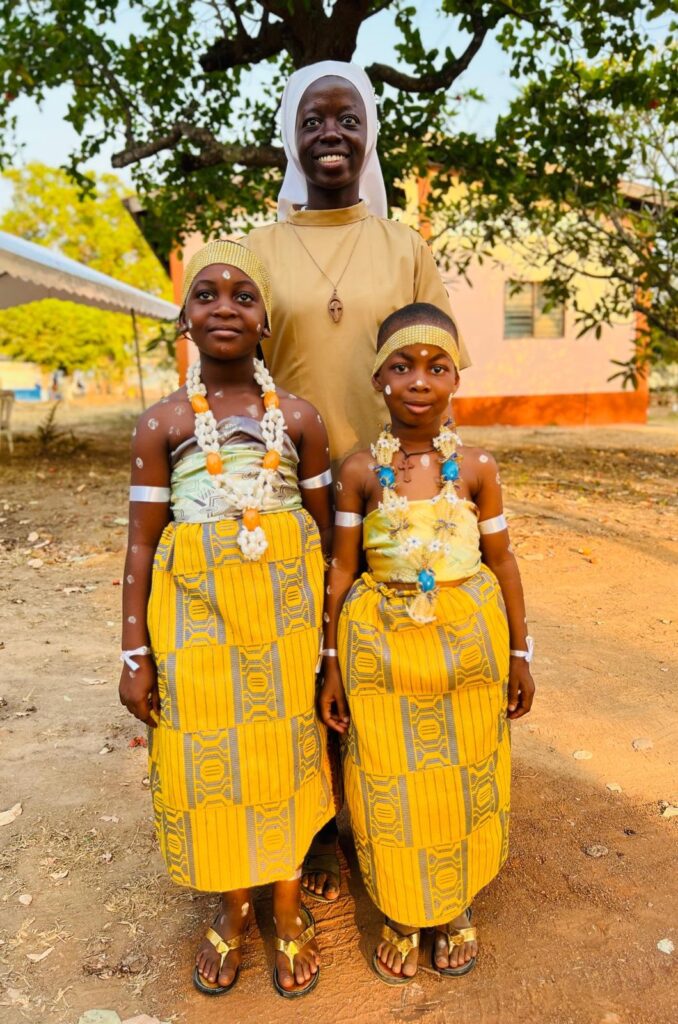
“The importance of the tribe, of family authority, and therefore, the head of the family or tribe in the social hierarchy of African cultures must be considered particularly when working on such sensitive issues as domestic violence and/or sexual abuse,” reflects Bishop Ali.
Since the last war in 2010, Ivory Coast has enjoyed a period of progress and economic vitality. Foreign investment is visible particularly in infrastructure such as the future subway of the capital and alongside Nigeria, the nation appears a regional leader. However, the socio-economic gap is rampant and recognizable in the geography of its cities and towns.
“Even in the capital itself, social inequality can be seen in neighborhoods that lack basic necessities. This is even more evident when one travels through the villages that are on either side of the road that leads to Bondoukou,” the Secretary adds.
Bishops called to lead the fight against abuse in the church and in society
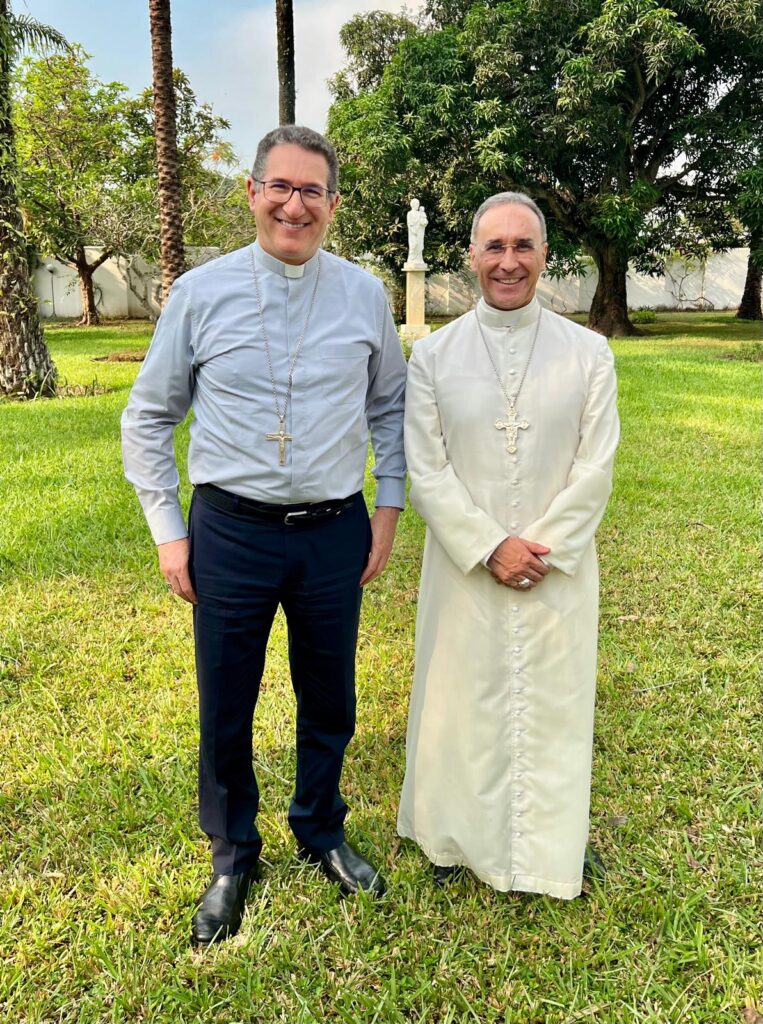
Archbishop Verny and Bishop Ali were welcomed to Ivory Coast by the Apostolic Nuncio, Colombian native Archbishop Mauricio Rueda, who spoke to them of what he sees as the three priority areas for safeguarding in the nation: Safeguarding training for church leaders, formation courses in both major and minor seminaries, and safeguarding awareness courses in schools.
The Commission delegation then undertook a 6-hour journey to Bondoukou, in the northeastern part of the country, stopping mid-way to meet and hear from the rural parish of St. Therese of the Child Jesus, in the Diocese of Abengourou, before travelling on to join 15 bishops gathered in the 126th plenary assembly of the Episcopal Conference of Ivory Coast.
“The rite of welcome offered to us by the bishops was beautiful, solemn and meaningful. With the traditional offering of water for the new arrivals, the handing over of the mat – so that they could stay as long as they wished – and the question about the news they brought with them. Both in the welcome of the Nuncio and the Catholic bishops of the country, the spirit of “Aquava” (welcome) of the hosts was palpable,” remarks Bishop Ali.
An entire day of the Assembly was dedicated to the theme of working to prevent abuse in the church and wider society and the work of the Pontifical Commission for the protection of minors and vulnerable persons.
Religious on the frontline against sexual violence
The final day of the delegation’s visit Friday, January 24, was dedicated to work of men and women religious in defense of the vulnerable and in particular their frontline work for victims of sexual violence.
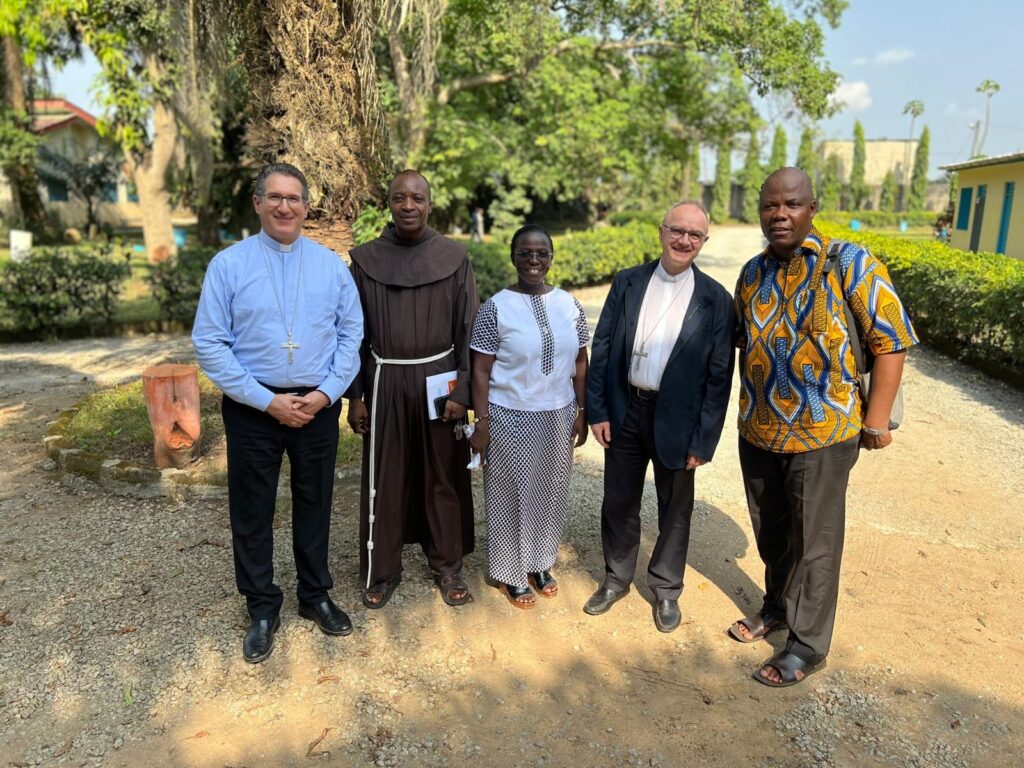
Archbishop Verny and Bishop Ali visited the Catholic Missionary Institute of Abidjan (ICMAN), an inter-congregational formation institution with 20 years of safeguarding experience.
They were welcomed by Father Nicodeme Kolani, OFM, rector of the institute, who brought them on a tour of the facilities and spoke of the Institute’s history and the different formation programs offered to priests, religious and agents of evangelization not only in the country but also in neighboring French-speaking countries.
The Secretary and Archbishop Verny also met with Sister Sia Solange, director of the Formation Center for the Prevention of Sexual Abuse against Minors and Vulnerable Persons (CFPAM-PV).
The Centre focuses its efforts on raising awareness among vulnerable categories of society, particularly women and young girls, about the risks of domestic violence and sexual abuse. It also provides training for direct intervention and prevention strategies.
The Commission delegation observed how the Centre is unique in so far as it also functions as a place of listening and accompaniment for victims of sexual violence, offering a space for people who have been impacted to come forward and be together, in a community proper to the local culture. By providing this service the Centre also seeks to address those topics that are still considered taboo in the local culture and find a path forward for victims of violence.

0 Comments