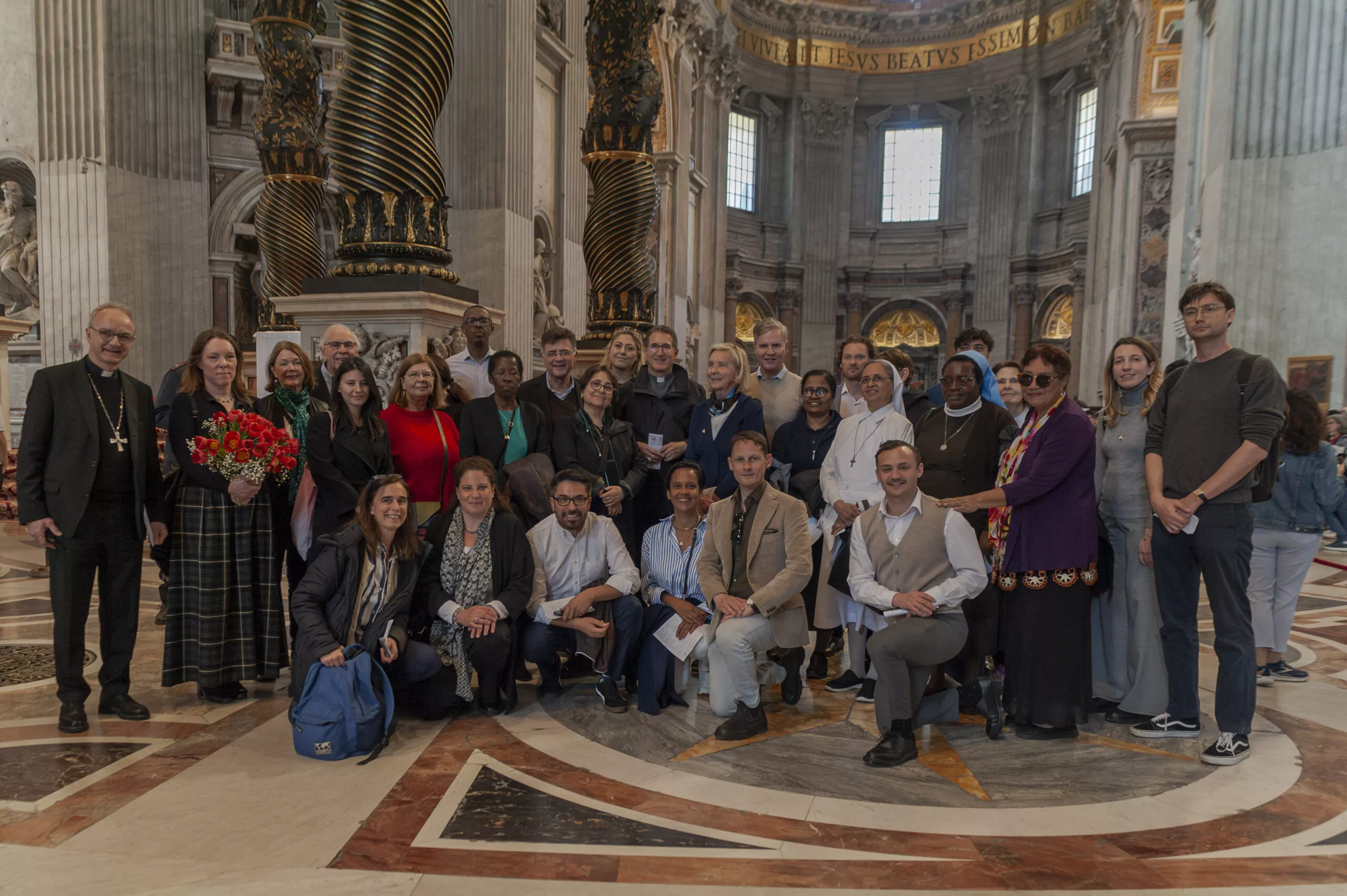
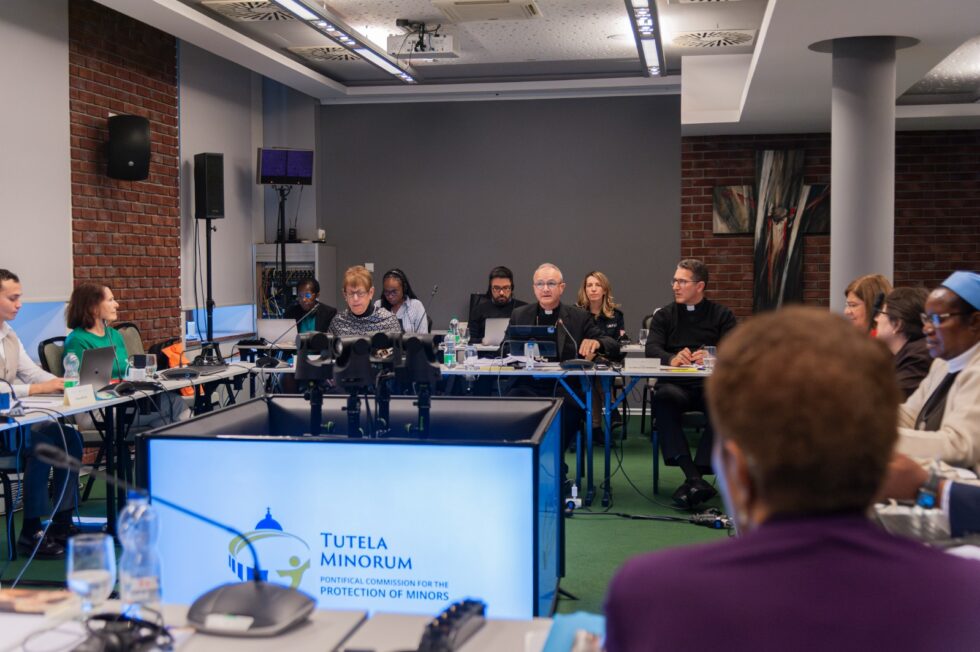
A reflection on 2025, a Year of Jubilee, renewal and reparation in the life of the Pontifical Commission for the Protection of Minors’ in its commitment to Safeguarding children and vulnerable people in the Church.
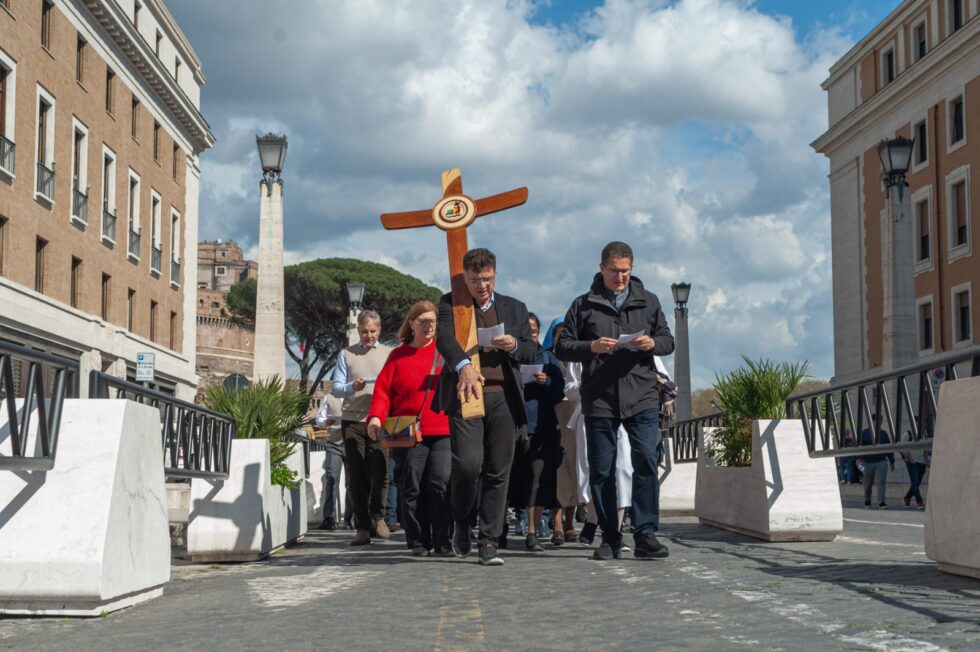
2025, the year of the Jubilee. A time marked by pilgrimage, reflection, and a renewed call to justice grounded in mercy.
For the Commission, this was also a year shaped by the theme of reparations: listening to survivors, acknowledging harm, and advancing concrete pathways towards accountability and change.
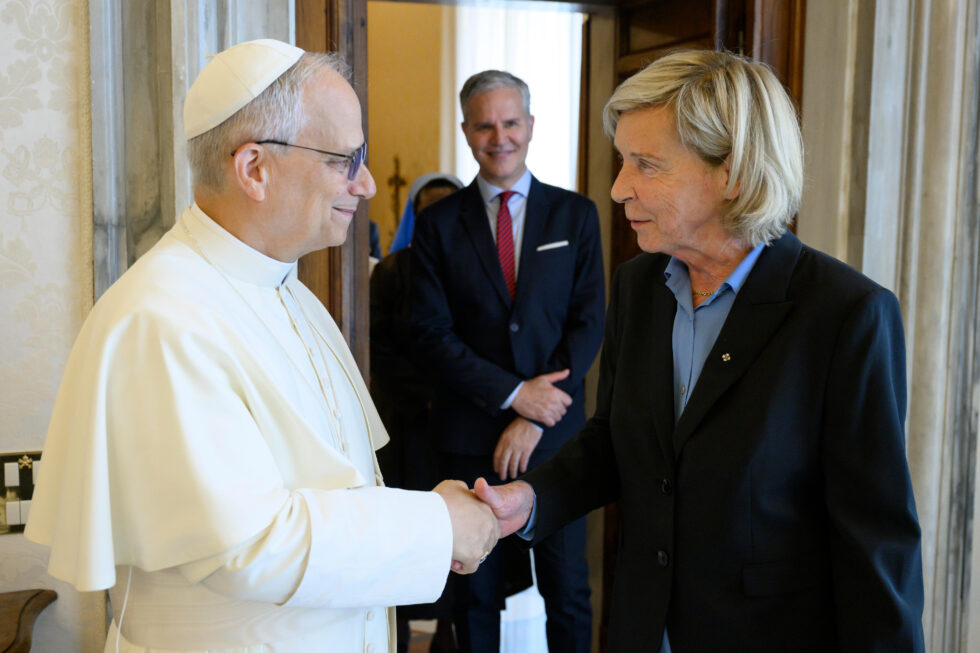
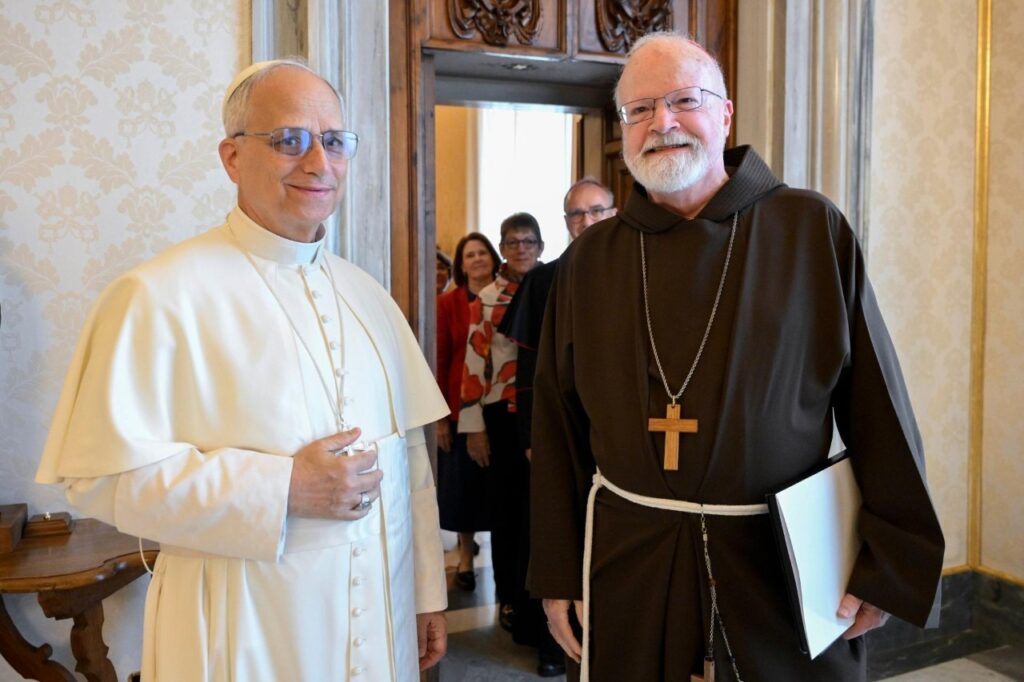
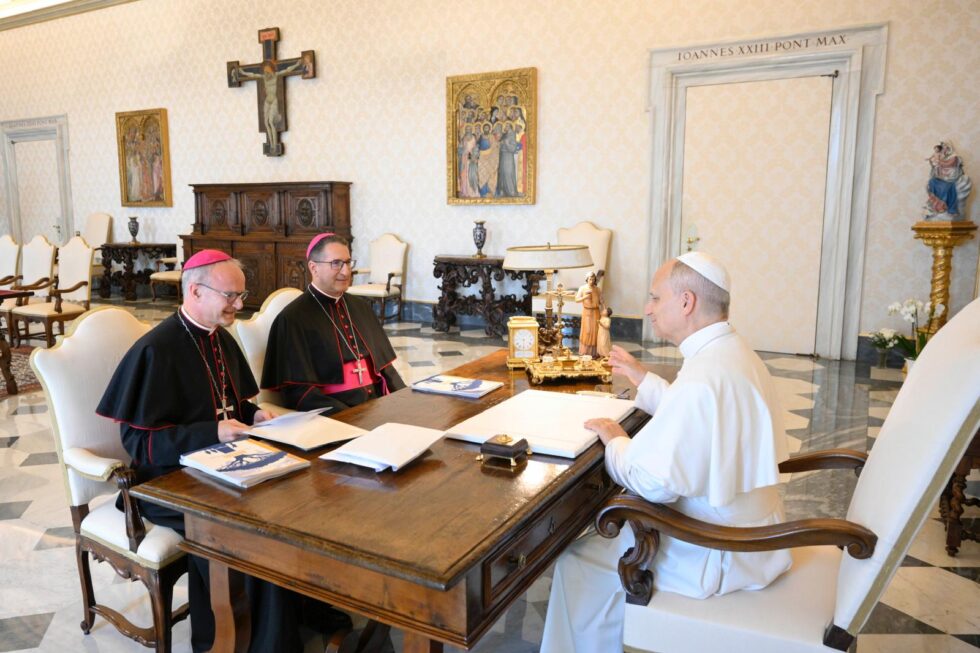
In 2025, the Church mourned the death of Pope Francis, founding father of the Commission. His pastoral courage and insistence on placing victims at the centre of safeguarding leave a lasting legacy. The election of Pope Leo XIV signalled a renewed commitment to protection, transparency, and reform.
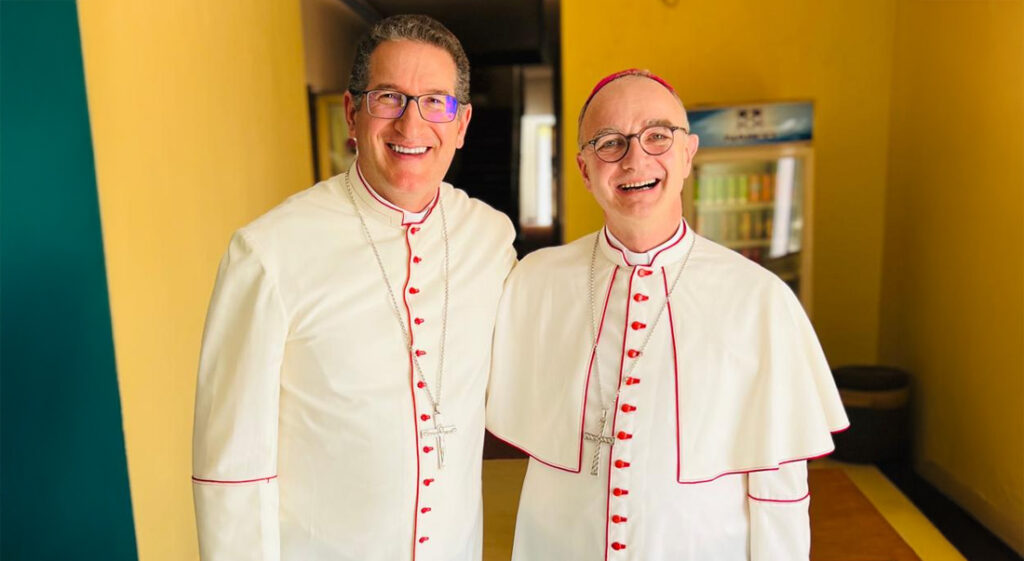
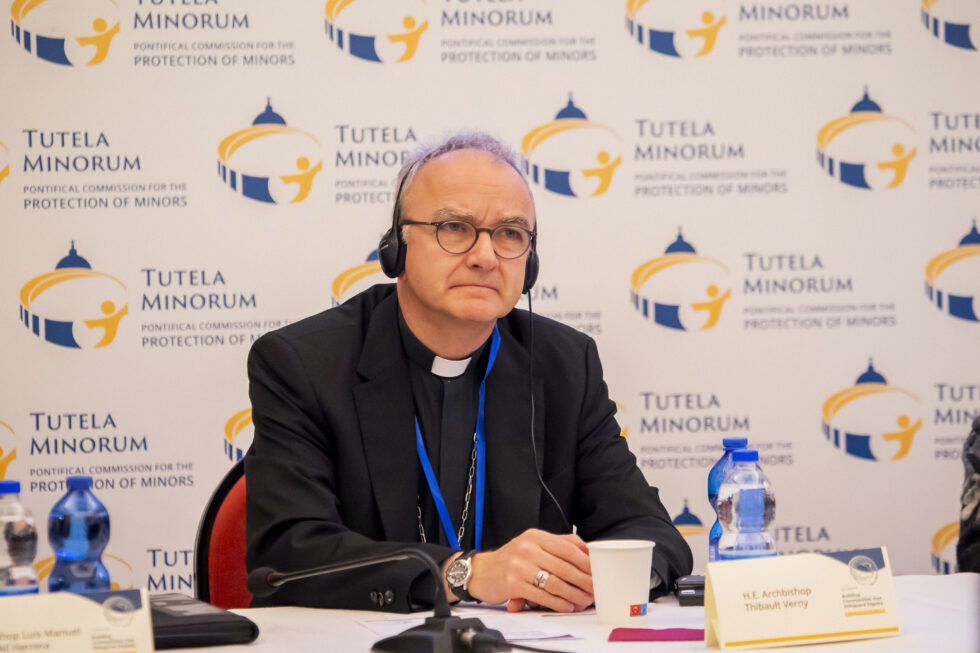
In 2025 French Archbishop Thibault Verny was appointed Commission President, taking on this responsibility with resolve and humility and offering profound thanks to Cardinal Seán O’ Malley, whose leadership helped shape the Commission’s foundations.
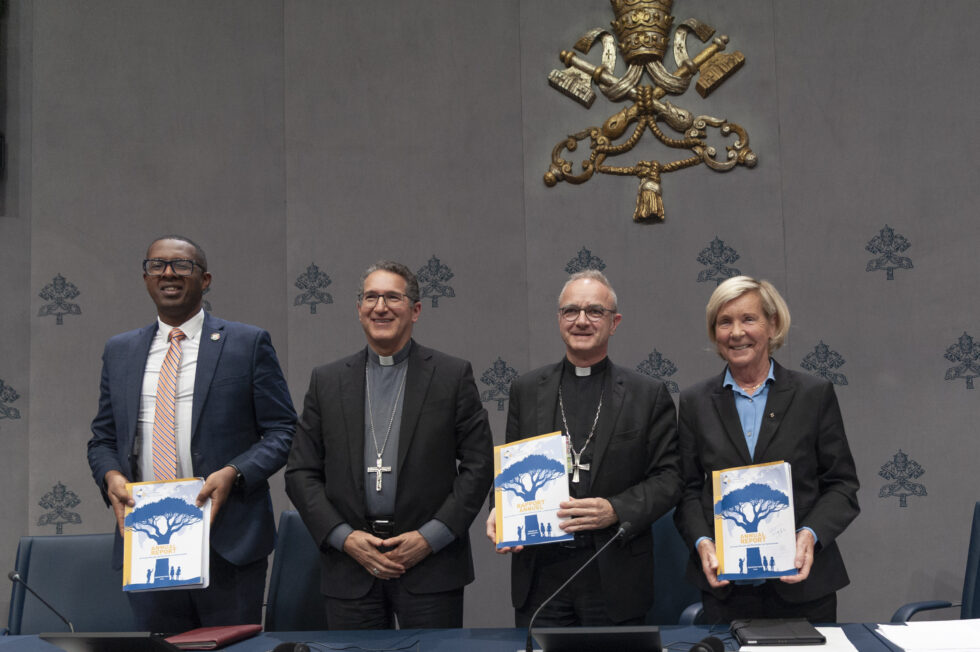
2025 saw the launch of the Commission’s Second Annual Report on Church Safeguarding Policies and Procedures: A further milestone that reflects progress made so far and the challenges that still lie ahead.
However, in all of the Commission’s central-level activities, it is the work done alongside the local churches across the globe that offers the most hope and encouragement. By supporting these churches in their efforts to protect and support children and vulnerable people, the Commission is helping to build stronger, safer faith communities everywhere.
Significant Strides in Africa Region
The year 2025 witnessed significant strides in safeguarding within the Africa region, with various initiatives and projects reflecting the region’s growing commitment to child protection and vulnerable adult safeguarding.
Successful Piloting of the Universal Guidelines Framework in Zimbabwe
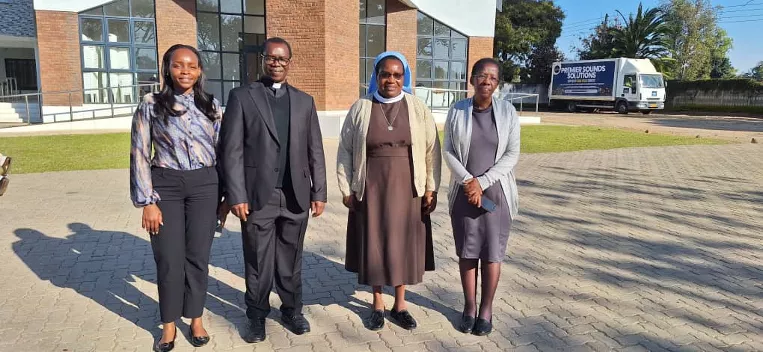
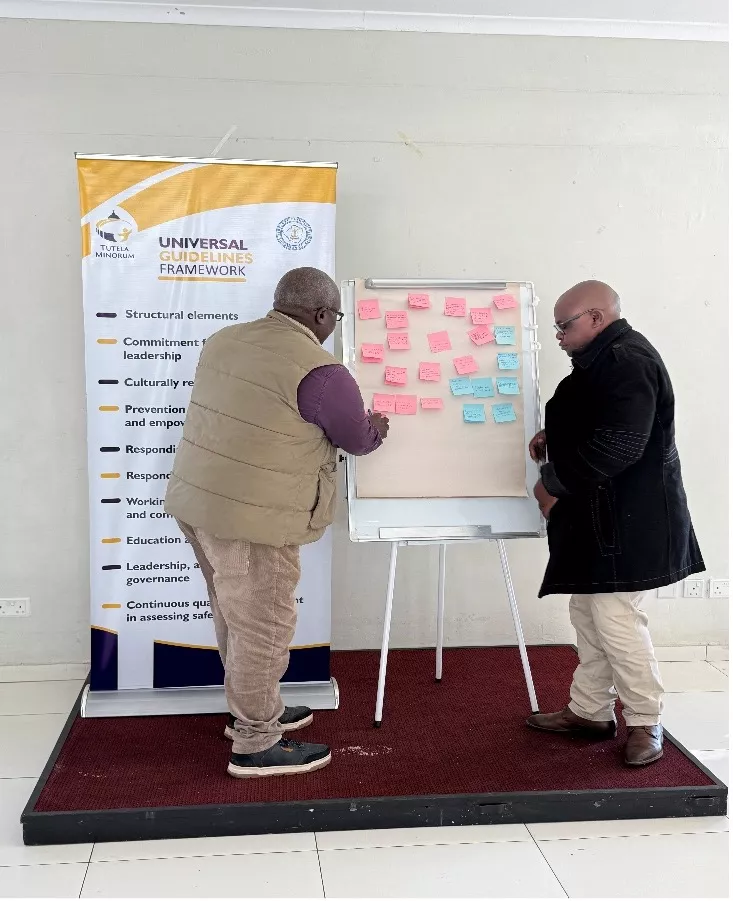
A key achievement in the Africa region was the successful piloting of the Universal Guidelines Framework (UGF) in Zimbabwe. The first phase of the pilot targeted bishops from eight dioceses and took place in November 2024. The second phase, which ran from May 24–26, 2025, involved 30 safeguarding actors from across the eight dioceses. The pilot aimed to assess the suitability, effectiveness, and universality of the UGF principles, gather feedback, and propose improvements tailored to the regional context.
The feedback from participants highlighted several areas for improvement, including the need for more inclusive participation in policy development, the addition of a clause for mental health policies in Guideline 2, and the introduction of an indicator to track perpetrators. Importantly, participants emphasised the need for ongoing training for both policy implementers and beneficiaries to ensure the long-term effectiveness of safeguarding efforts.
Through the continued training of safeguarding teams across the diocesan level, alongside the support of local bishops, there is clear evidence of a commitment to ensure safeguarding is both effective and sustainable. Additionally, the listening sessions with key local church organisations, such as the Regional Episcopal Conferences of West Africa (RECOWA/CERAO) and the Association of Consecrated Women in Eastern and Central Africa (ACWECA), provided valuable insights that will further inform the UGF’s implementation.
The Memorare Initiative
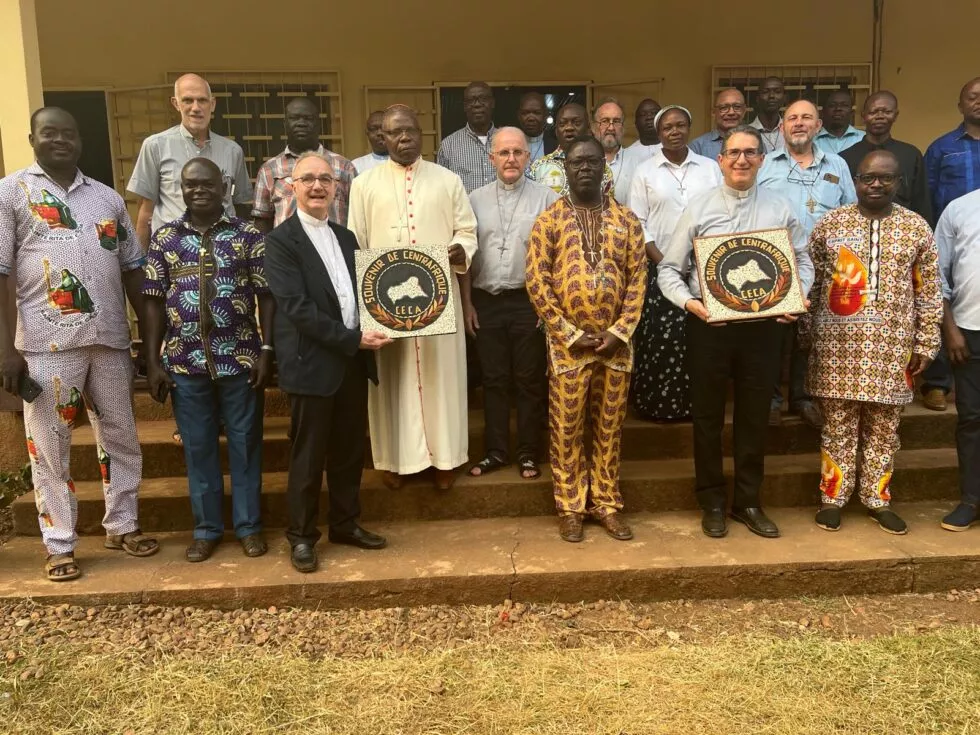
Another significant initiative within the Africa region in 2025 was the Memorare Initiative. The initiative, launched in the Central African Republic (CAR), Ecclesiastical Province of Mombasa-Kenya, Malawi, and other parts of Southern Africa, seeks to support local churches in addressing the protection of minors and vulnerable adults. In March 2025, the CAR team received training on the implementation process, and the Zimbabwe team met to finalise their grant proposal. Virtual meetings with local church leadership ensured that the initiative’s uptake was effectively supported across various dioceses.
Through ongoing collaboration with church leaders and the Memorare Coordinator, the initiative has fostered a sense of shared responsibility and engagement in safeguarding. As a result, Rwanda and AMECEA (Association of Member Episcopal Conferences of Eastern Africa) are now at different stages of implementing the Memorare Initiative, with reports already submitted. The Democratic Republic of the Congo and Namibia are advancing their grant applications, while Zimbabwe, SECAM, and RECOWA are awaiting approval.
Safeguarding in Seminaries: AMECEA Conference
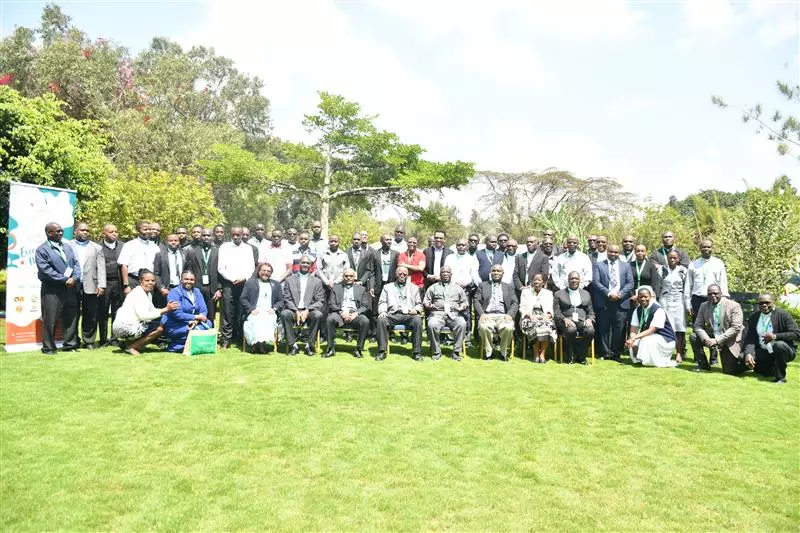
A key event in the Africa region was the AMECEA conference on Safeguarding in Seminaries, held in October 2025. This conference, attended by 70 delegates, including seminarians, rectors, formators, and safeguarding coordinators, focused on reinforcing safeguarding commitments within seminary formation. The conference highlighted the importance of social-emotional health in the formation of future clergy, advocating for the creation of environments that foster emotional and social development.
Key speakers, including Bishop Cleopas Oseso, stressed the importance of listening to children and taking proactive steps to prevent abuse. The conference also resulted in significant recommendations, including harmonising safeguarding policies across seminaries, enhancing the capacity of clergy, and institutionalising safeguarding within seminaries. This event marked a significant step towards embedding safeguarding practices into the core of seminary formation.
Asia-Oceania Region: Strengthening Local Safeguarding Networks
The Asia-Oceania region has similarly made significant strides in safeguarding efforts in 2025, focusing on building regional networks, strengthening local church initiatives, and engaging more effectively with both Church leadership and civil society. . Across a vast and diverse landscape, the priority has been to help local Churches develop usable tools, clearer procedures and support pathways that improve reporting, case-handling and prevention in real, context-sensitive ways.
Pacific Regional Seminary Safeguarding Workshop
Missionary Formation in India
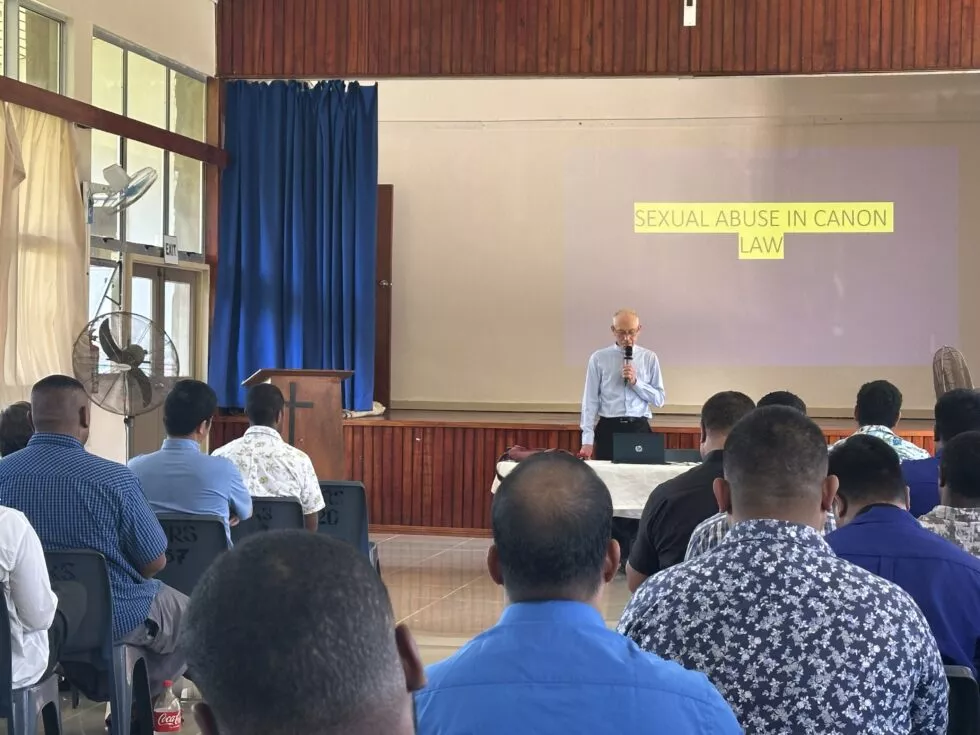
A major highlight of the year was the Pacific Regional Seminary Safeguarding Formation Workshop held in Fiji. This two-day, highly interactive event engaged approximately 120 participants, including 100 seminarians from across the Pacific. The workshop integrated UGF/USG principles with case studies and culturally grounded practices, emphasising the importance of safeguarding in seminary formation. Evaluations from participants were collected to inform continuous improvement, ensuring the ongoing relevance and impact of safeguarding training.
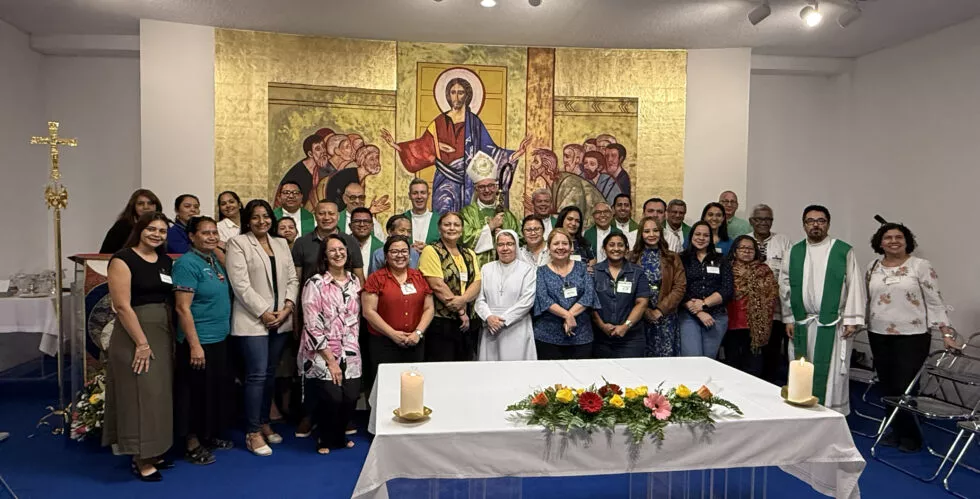
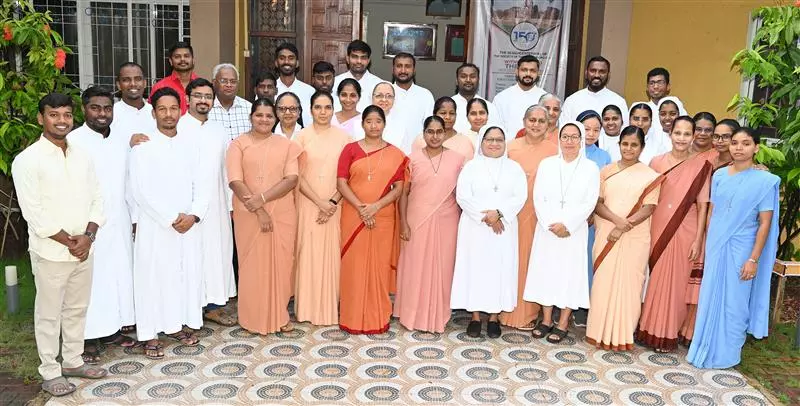
In Pune, India, a two-day missionary formation workshop brought together 41 priests, sisters and brothers preparing for overseas mission. The focus was on the practical application of UGF/USG guidelines and scenario-based learning, establishing a common language for safe ministry across sending and receiving contexts. The workshop helped consolidate a growing network of safeguarding-informed missionaries and generated clear demand for follow-up modules that more deliberately link formation, policy and day-to-day practice in mission territories.
Canon Law Webinar Series
The Canon Law webinar series, held in September 2025, addressed critical topics related to the safeguarding of minors, including sexual abuse, preliminary investigations, and extra-judicial processes. These sessions were designed to strengthen the procedural spine of safeguarding efforts across local churches in the Asia-Oceania region, improving the quality of reporting, investigations, and decision-making. The series addressed: canon law and sexual abuse; preliminary investigations; and extra-judicial processes. Participants included bishops, judicial vicars, safeguarding coordinators and practitioners from across Asia–Oceania. The sessions aimed to lift procedural quality, documentation and decision-making, especially in smaller or resource-constrained jurisdictions. Built-in evaluation and learning-needs tools are now being used as an evidence base for the 2026 online training calendar, ensuring that future offerings remain practical, jurisdiction-sensitive and directly responsive to what participants themselves have identified as gaps or priorities.
Philippine National Safeguarding Conference
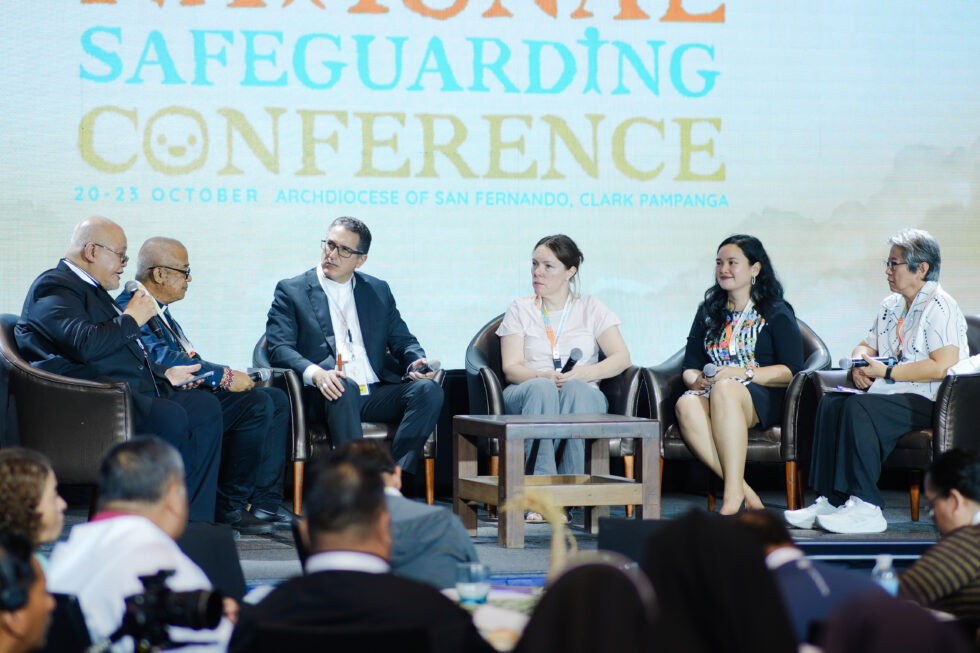
The Philippines National Safeguarding Conference in October 2025 was a landmark event, with over 300 participants, including bishops, priests, religious, and lay leaders from across the Philippines and the broader Asian region. The conference focused on creating spaces for listening and accountability, with a particular emphasis on the justice-themed survey conducted to gather perspectives from various stakeholders on the Commission’s justice framework. The event facilitated meaningful discussions on safeguarding and highlighted the importance of a survivor-centred approach. Within this context, a justice-themed survey was administered as part of the Commission’s work on the third Annual Report (AR3). A total of 122 usable responses were received from bishops, priests, religious and lay safeguarding professionals. Their reflections offered a coherent articulation of what justice requires in practice, aligning closely with the Commission’s Conversional Justice framework (truth, justice, reparation, institutional reform). The analysis feeds directly into AR3, validating the Annual Report as a serious instrument of listening and accountability, and providing concrete proposals on authority and impunity, civil reporting, the re-incardination or re-assignment of accused clerics, and the role of independent oversight.
Europe Region: Deepened Collaboration and Survivor-Centred Action
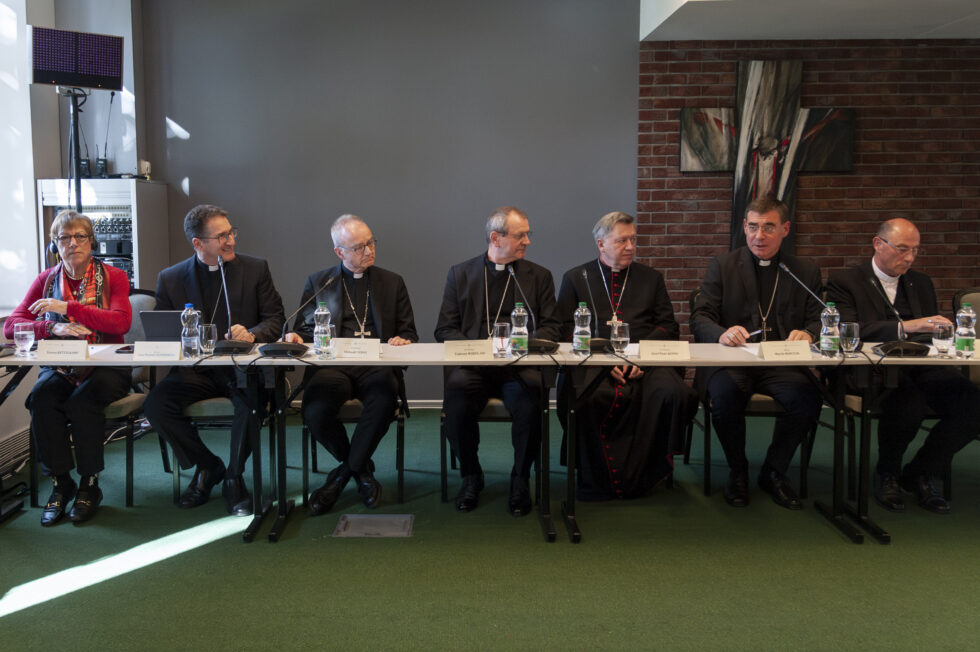
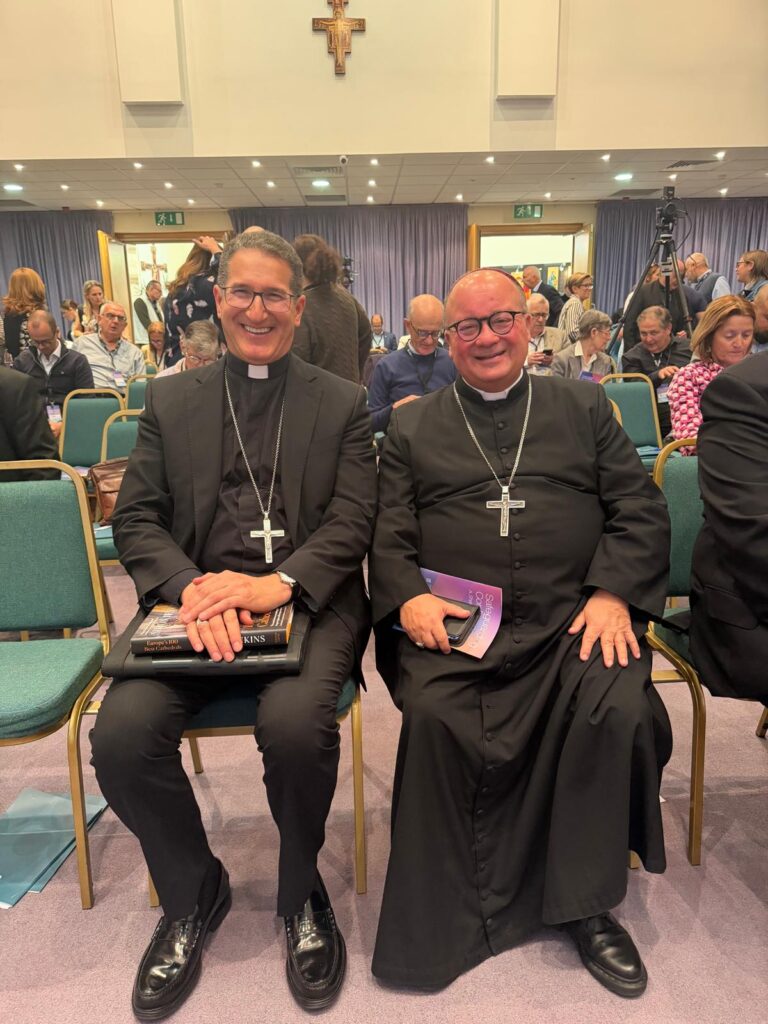
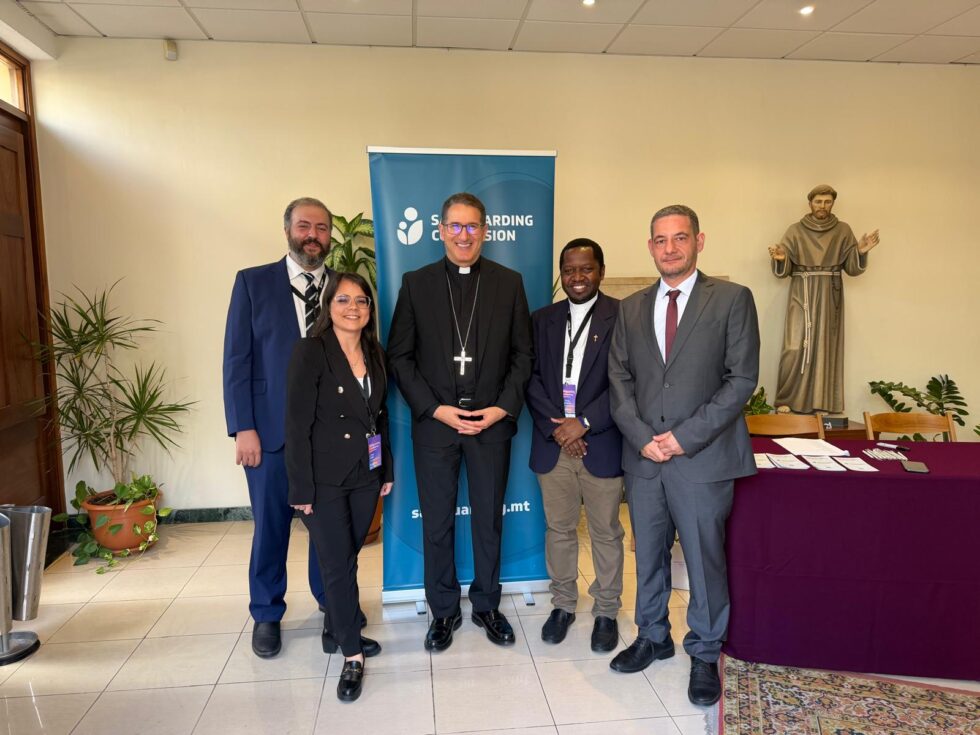
In Europe, the year 2025 was marked by significant progress in safeguarding initiatives, characterised by deeper collaboration and a stronger emphasis on survivor-centred action. It built on the Central Eastern European (CEE) Network (active since 2021) and the momentum of the 2024 European Conference, reinforcing shared learning and cross-border exchange. In parallel, the Universal Guidelines advanced through an extensive 2025 consultation: learning from pilots in Zimbabwe, Costa Rica, Tonga and Poland—together with strong European engagement—was integrated into a further draft, with the Universal Guidelines expected to be officially adopted in 2026.
Strengthening networks through cross-border working groups
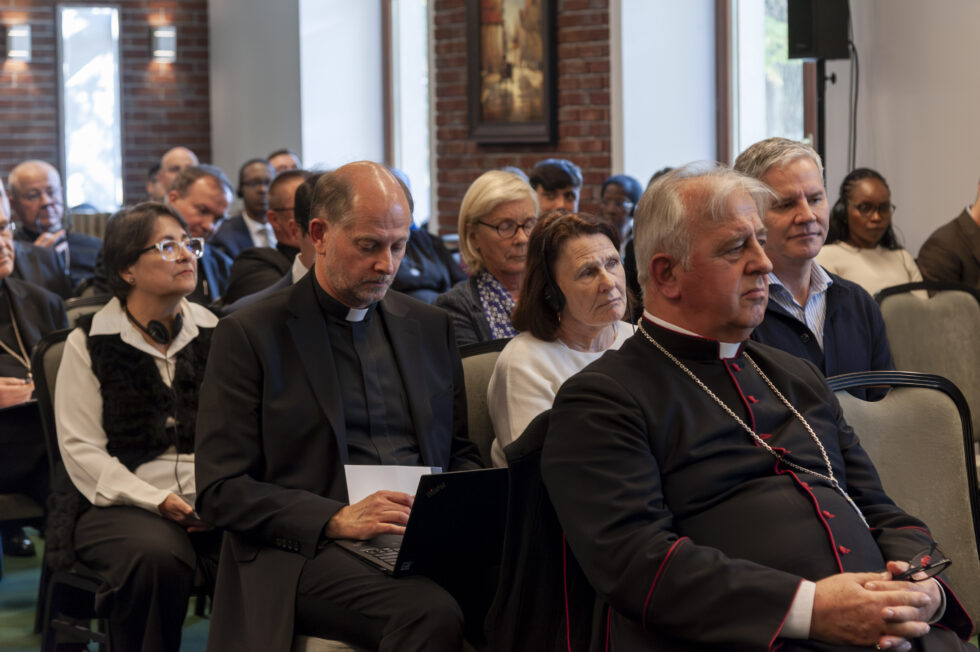
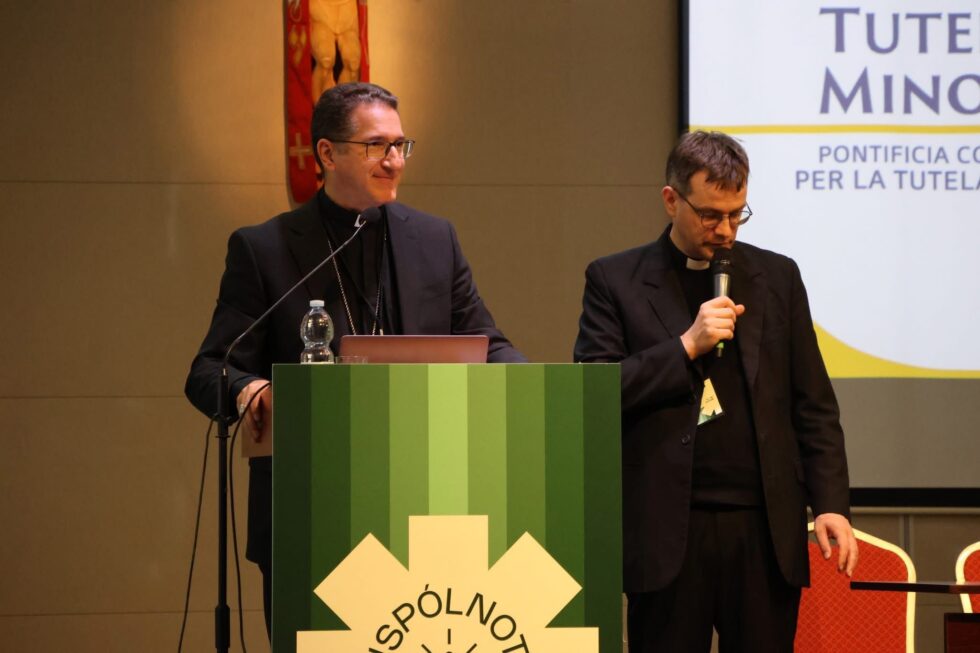
After the 2024 European Conference, three cross-border follow-up working groups were consolidated on transparency and accountability, survivor-centred approaches, and prevention and formation. Their practical aim is to translate shared learning into usable resources, including a draft checklist for independent commissions and guidance on collaboration with civil authorities.
Victim/survivor engagement as a driver of priorities
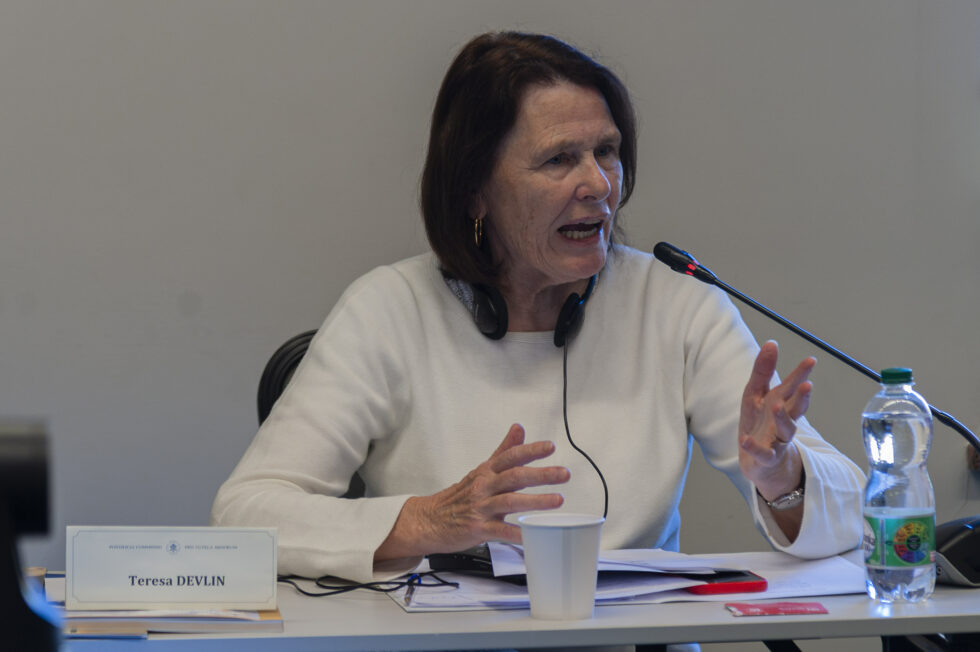
Survivor engagement expanded through consultations and listening meetings with victims/survivors’ associations, centred on reparations, accountability, pastoral care and justice. In the Czech Republic, this included meetings between the President of the Czech Episcopal Conference and victims/survivors.
The meetings also reinforced the region’s focus on governance as a key condition for sustaining credible prevention and response measures.
Formation and exchange across national contexts
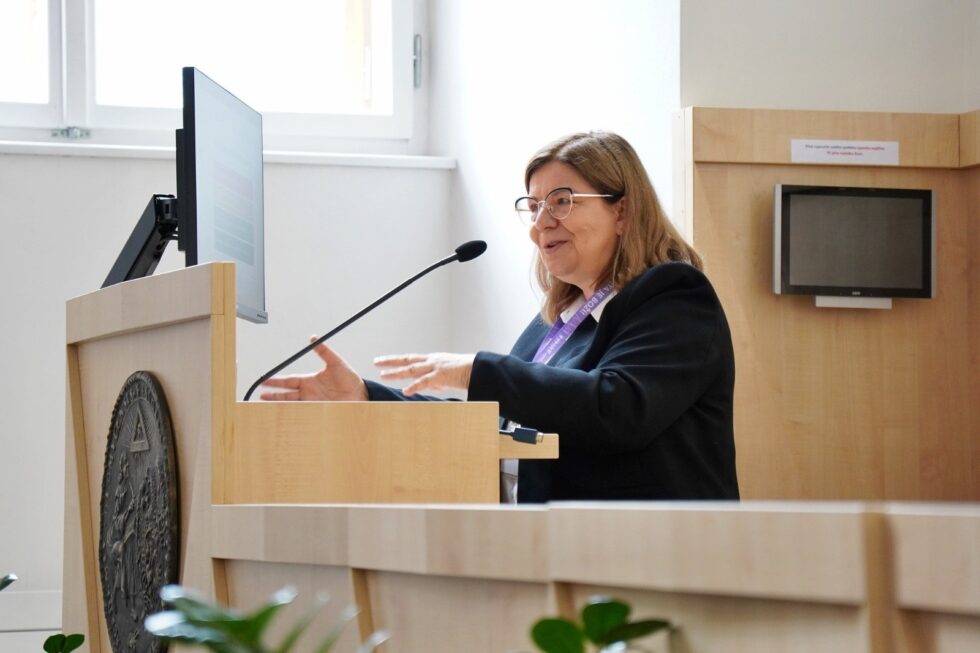
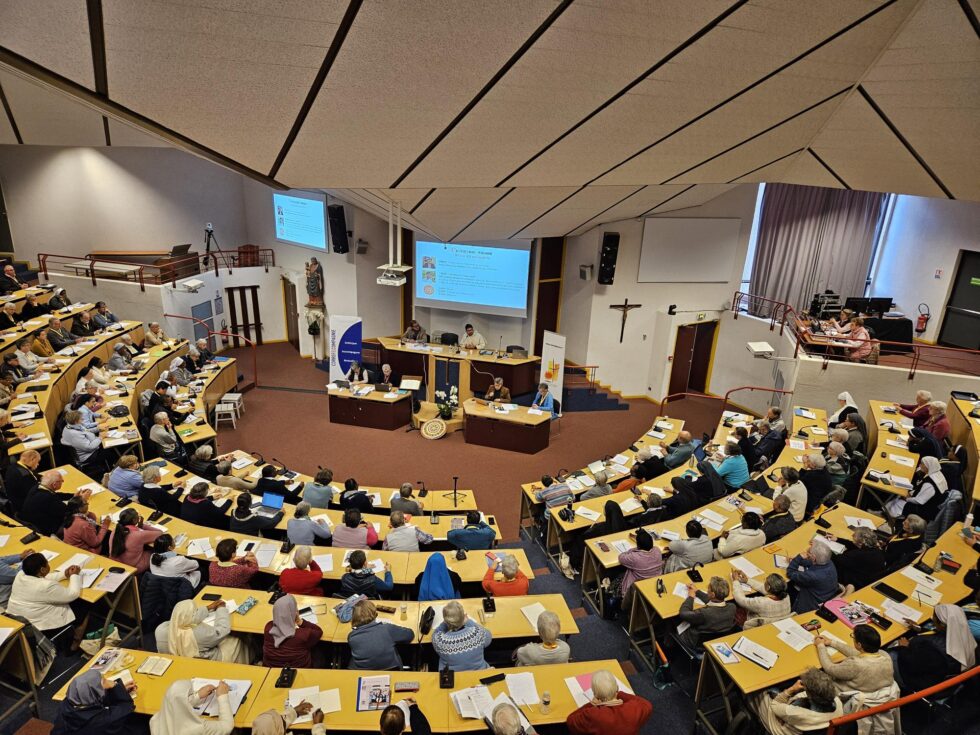
In the Czech Republic, the Olomouc conference brought together bishops, clergy, experts and victims/survivors to reflect on ten years of national guidelines and the Universal Guidelines Framework (UGF). In Ireland, regional participation in the National Board Conference strengthened reflection on restorative and transitional justice and their implications for survivor engagement. In Poland, a pilot programme trained around two-thirds of bishops, and retreats for priests led jointly by a bishop and victims/survivors included international participation. In Spain, the VIII National Meeting of Safeguarding Offices in Madrid convened about 200 participants from dioceses and religious congregations, strengthening coordination and shared practice nationwide.
Religious life: from consultation to structured shared work
The engagement in Lourdes at CORREF’s General Assembly with 350 major superiors further consolidated work with religious life networks, integrating victim-witness testimony and structured dialogue between survivors/victims, major superiors, and safeguarding actors—reinforcing the link between survivor-centred listening and practical governance and formation pathways.
In parallel, the relationship with the Union of European Conferences of Major Superiors (UCESM) matured into a more structured partnership, allowing the Commission to reach national religious conferences —including congregations that had not previously been closely connected to safeguarding work—and to create channels for shared formation and survivor-informed reflection within religious contexts.
Governance and credibility
Institutional developments, including new safeguarding offices in the Czech Republic and the Greek Catholic Church in Ukraine, confirmed growing structures of accountability. Regional engagement also underlined that credibility grows when Church safeguarding aligns with public-protection systems and collaborates professionally with civil society.
Looking Ahead: A Year of Hope and Commitment
As we look to 2026, the Commission’s work remains focused on consolidating the progress made in 2025 while addressing the challenges that still lie ahead. The year has been one of deep reflection, marked by a renewed commitment to safeguarding and justice. The Commission’s efforts, in collaboration with the global Church, continue to create pathways towards accountability, healing, and reform.
As we enter this season of reflection, we wish to extend our heartfelt gratitude to all those who have contributed to this work. Together, we continue our journey towards a Church that safeguards the dignity and rights of every child and vulnerable person.
As the year draws to a close, we wish you all a peaceful Christmas—one filled with reflection, compassion, and hope.
AA

0 Comments