
ROME — Safeguarding leaders from across Italy gathered in Rome today for a national meeting focused on strengthening protection for minors and people in vulnerable situations, as Church officials and experts called for a shift from procedural frameworks to a broader culture of care.
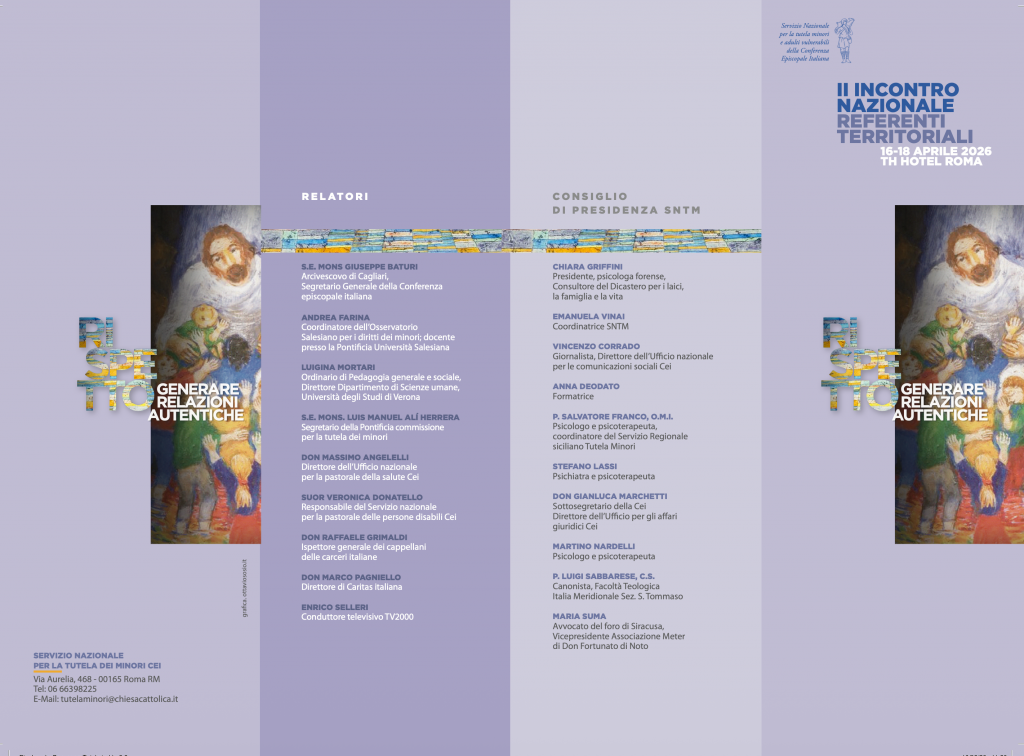
The three-day meeting, organised by the Italian Bishops’ Conference’s National Service for the Protection of Minors and Vulnerable Adults, runs from 16 to 18 April under the theme “Respect. Generating Authentic Relationships.” It brings together diocesan safeguarding delegates from across the country for training, dialogue and coordination.
A shift in perspective on vulnerability
The Commission’s Secretary, Mons. Alí Herrera, addressed participants in a session examining how the concept of vulnerability is evolving within Church safeguarding practice. His intervention focused on moving beyond static definitions of “vulnerable adults” toward a more dynamic understanding centred on circumstances and relationships.
“Vulnerability is not a defect or a category applied to certain people. It is a constitutive dimension of the human person.” – Mons. Alí Herrera
His remarks reflected ongoing work by the Commission’s Study Group on Vulnerability, which is examining how theological, legal and social perspectives can inform safeguarding efforts. The group’s research suggests that risk often arises not from fixed categories of individuals, but from situations marked by imbalance of power, dependence or limited freedom.
This shift in perspective was also highlighted in recent remarks by Pope Leo XIV, who has referred to “minors and people in situations of vulnerability,” signalling a move away from categorising individuals toward analysing contexts in which harm can occur.
Integrating research into safeguarding practice
During the same session, Dr Chiara Griffini, President of the National Service and a member of the Commission’s study group, emphasised the need for an integrated approach that considers individual, social and situational factors. She noted that vulnerability can emerge at different stages of life and in varied circumstances, requiring institutions to adapt their safeguarding practices accordingly.
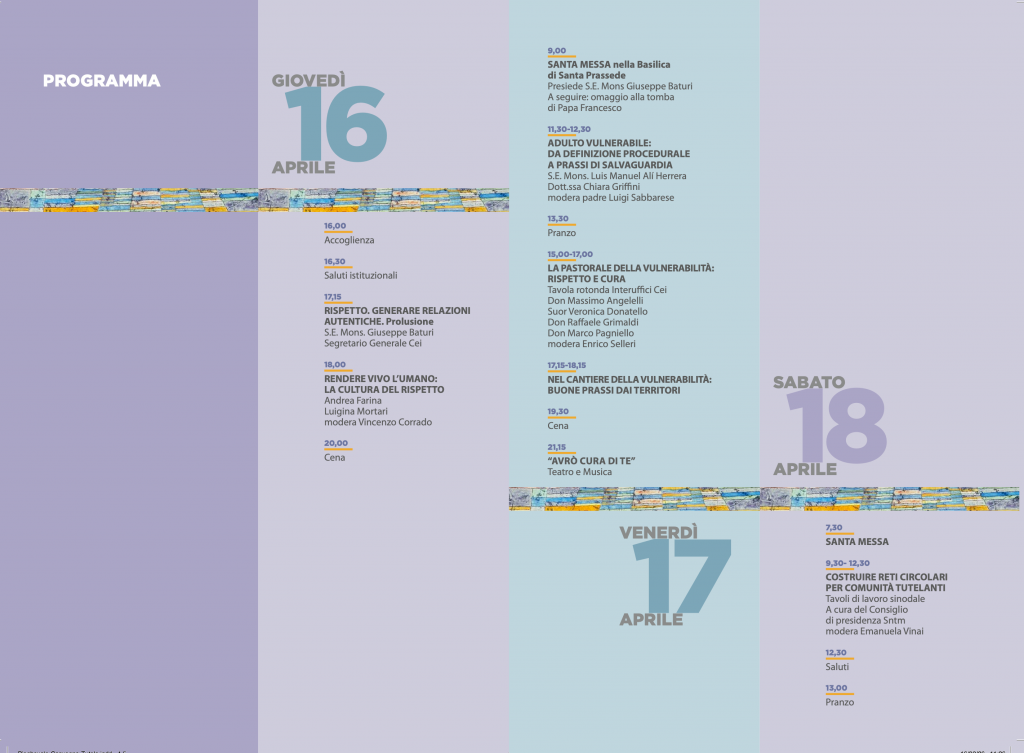
The meeting’s programme includes plenary sessions, working groups and panel discussions addressing pastoral care, organisational responsibility and safeguarding practices. According to the official schedule, today’s agenda also features a roundtable on pastoral responses to vulnerability and presentations of best practices from dioceses across Italy.
Art, testimony and the culture of care
Participants are also attending a theatre and music performance titled “…ed io avrò cura di te” (“…and I will take care of you”), scheduled for this evening. The production, written by Paolo Logli and performed by Arianna Ciampoli and Antonio Maggio, draws on testimonies from victims and survivors shared during Italy’s National Days of Prayer in 2024 and 2025.
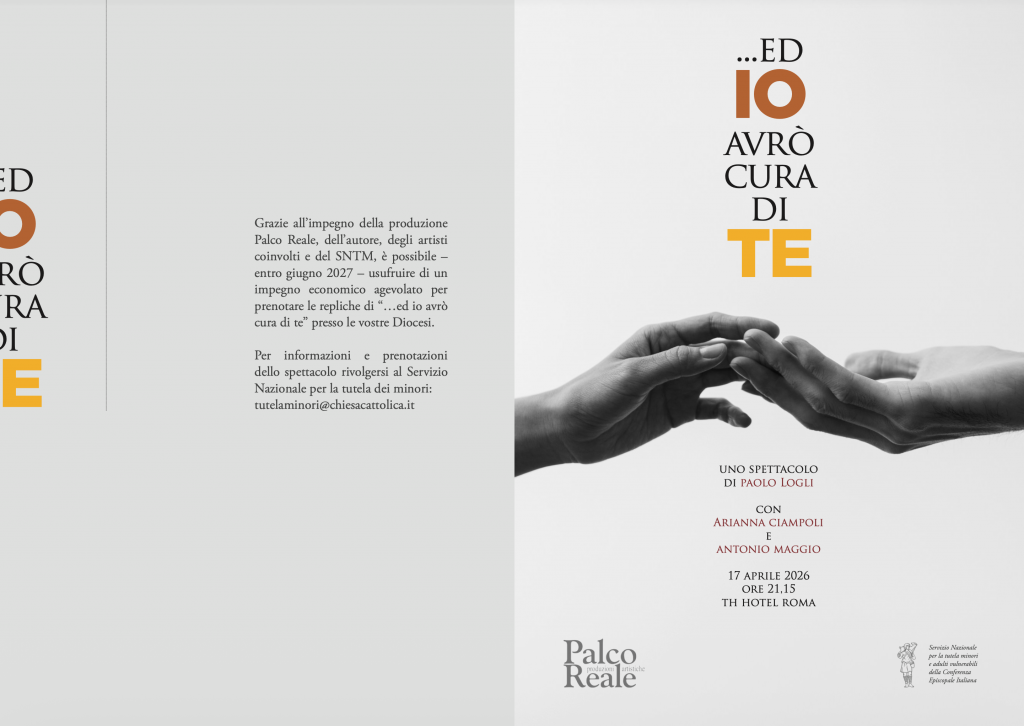
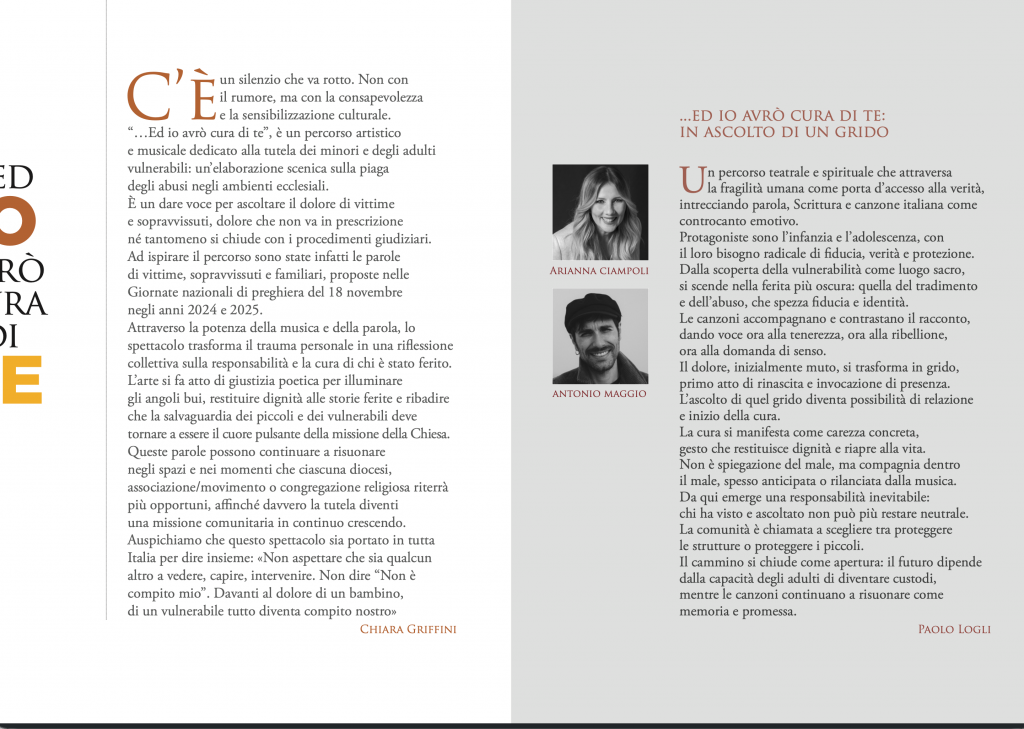
The performance explores themes of human fragility, abuse and responsibility, transforming personal suffering into a collective reflection on care and accountability within the Church.
Organisers said the gathering represents an important moment of engagement between the Commission and the Italian Church, as safeguarding continues to develop from a compliance-based model into a broader cultural commitment.
Speakers throughout the meeting stressed that effective safeguarding depends not only on policies and procedures, but on fostering relationships marked by respect, accountability and a shared responsibility to protect those most at risk.

0 Comments