MOMBASA, Kenya — Safeguarding formation took centre stage in two recent gatherings in Africa, bringing seminarians, formators and religious sisters together to strengthen prevention and safer pastoral environments across the Church.
In Mombasa, 50 seminarians and their formators took part in a two-day safeguarding workshop from 4 to 5 August as part of the Memorare Initiative. Organised by Memorare Advisor for Mombasa Fr Bernard Malasi, the programme focused on integrating safeguarding into priestly formation from the earliest stages of vocation.
Sessions addressed digital safeguarding and social media ethics, spiritual abuse and misuse of authority, the safeguarding of children and vulnerable adults, and canon and civil law reporting protocols. Participants were invited to examine how authority, relationships and digital communication can contribute to safe environments or create opportunities for harm.
Commission Regional Experts for Africa Br Fortune Chakasara and Patience Mwangi contributed to the programme, bringing regional experience and practical perspectives to discussions with seminarians and formators. Their participation underscored safeguarding as a commitment to prevention, accountability, appropriate boundaries and responsible leadership, rather than solely a response to cases of abuse.
The workshop reflected the Commission’s One Church approach, which seeks to embed safeguarding within Church structures, formation and pastoral practice. Particular emphasis was placed on the need for safeguarding formation to begin before ordination so that future priests develop the knowledge, skills and pastoral attitudes required to foster safe environments throughout their ministry.
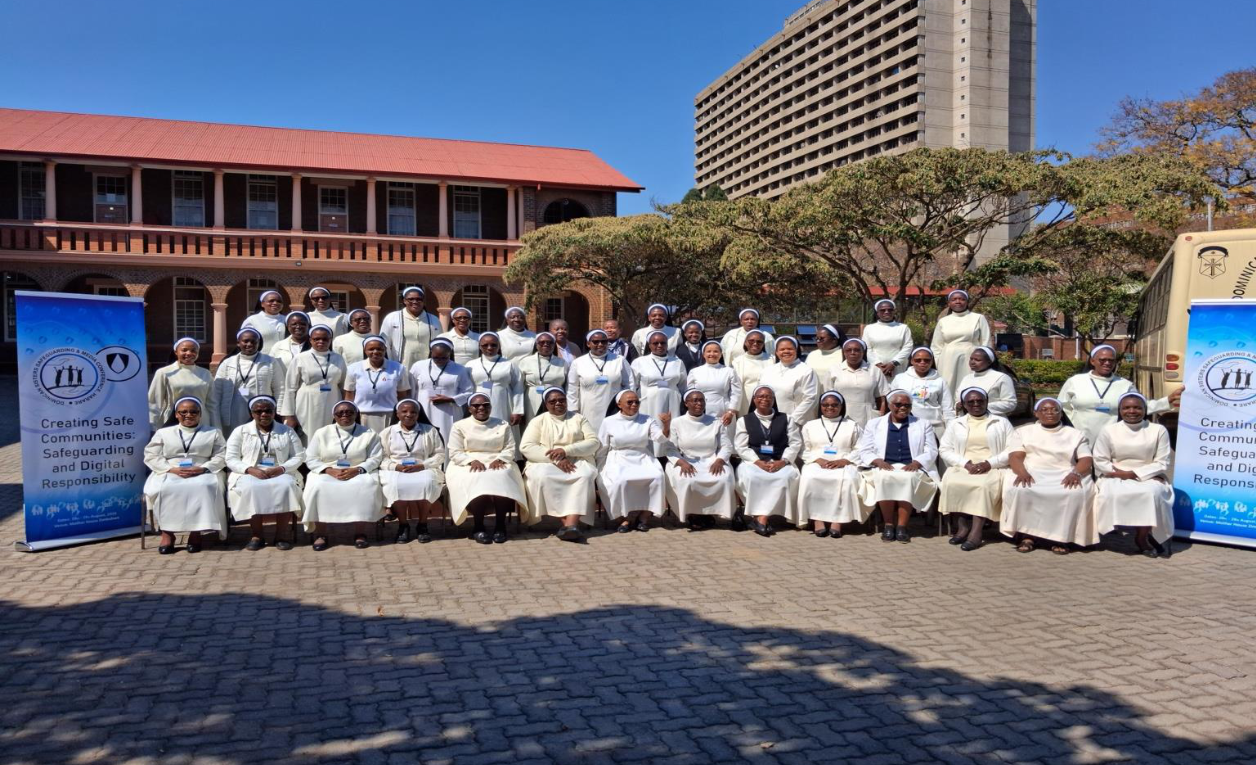
Later in August, more than 80 religious sisters from Africa, Europe and Latin America gathered in Harare, Zimbabwe, for a 10-day safeguarding conference organised by the leadership of the Dominican Missionary Sisters.
Held from 20 to 30 August, the conference brought together participants from the United Kingdom, Brazil, Germany, Kenya, Zambia, Zimbabwe, Malawi and Mozambique for formation, reflection and practical learning. Discussions explored how safeguarding can become part of the everyday culture of religious communities, including leadership, formation, recruitment, supervision and pastoral practice.
Commission Member and Regional Moderator for Africa Sr Theresa Nyadombo presented the Commission’s Universal Guidelines Framework (UGF), placing the discussions within the wider effort to develop coherent safeguarding standards while remaining attentive to different cultural, pastoral and legal contexts.
Her sessions also examined cultural dynamics in safeguarding, including how attitudes towards authority, vulnerability, disclosure and reporting can influence safeguarding practice. Participants considered the need to respect legitimate cultural realities while maintaining the dignity and protection of every person.
Br Fortune Chakasara also led sessions in Harare on safeguarding in the digital age, emerging safeguarding challenges, and safeguarding within health, education and pastoral settings. The programme emphasised that safeguarding practice must continue to respond to changing ministry environments, new technologies and developing risks.
The international character of the Harare conference also provided space for participants to share experiences across countries and ministries, strengthening networks and encouraging approaches informed by international experience while remaining appropriate to local contexts.
Together, the Mombasa and Harare gatherings reflected a shared emphasis on moving safeguarding beyond policies and procedures and embedding it within formation, leadership and the ordinary life of Church communities. In both settings, participants were encouraged to see safeguarding as a responsibility carried by the whole Church and expressed through prevention, accountability, respectful relationships and action.
0 Comments