
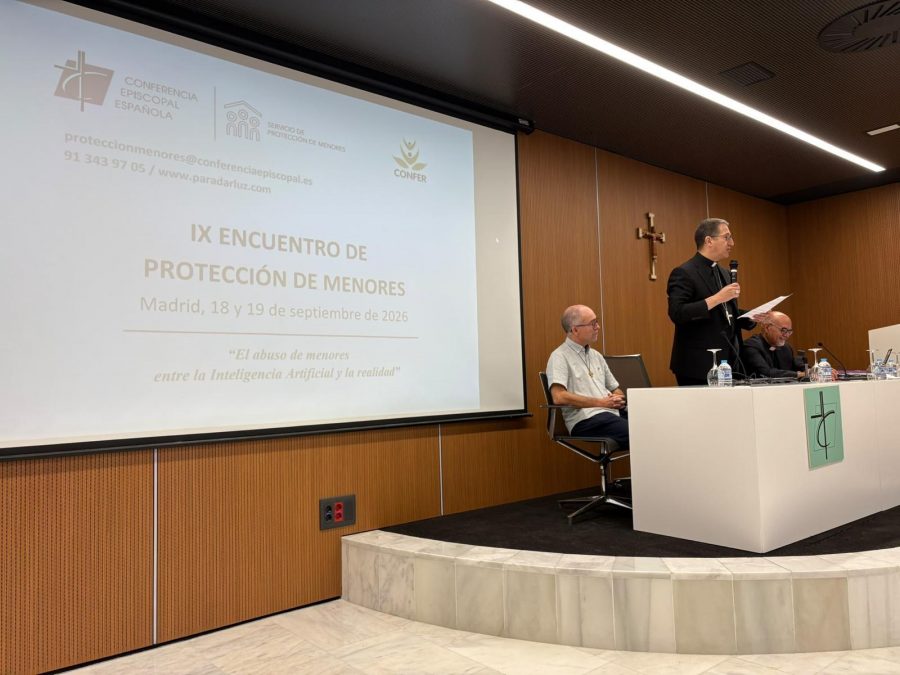
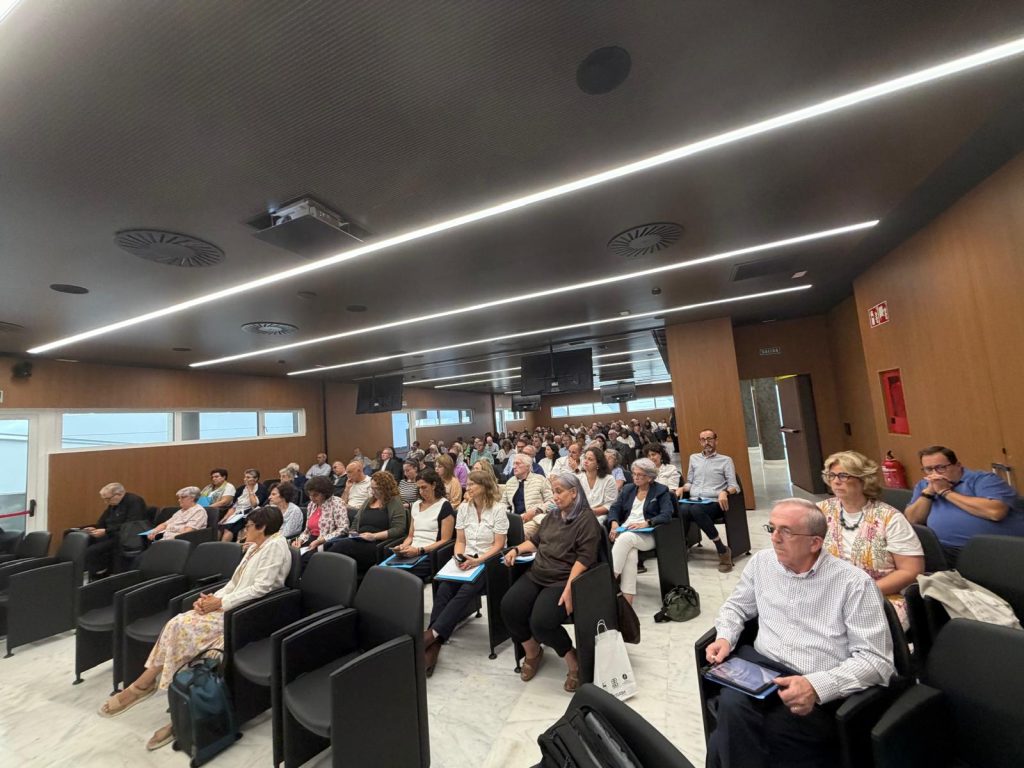
Madrid, 18 September 2026 – The growing impact of artificial intelligence on the lives of children and young people was at the centre of discussions during the IX Encuentro de Oficinas de Protección de Menores, (September 18 – 19) organised by the Spanish Bishops’ Conference under the theme “Child Abuse: Artificial Intelligence and Reality.”
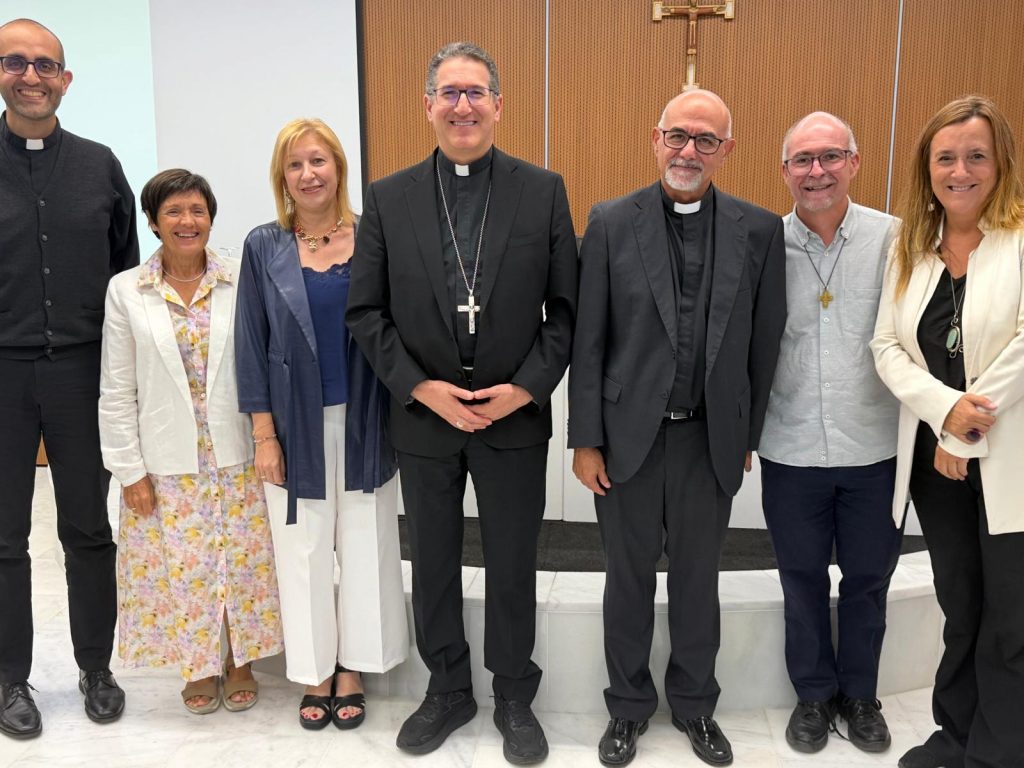
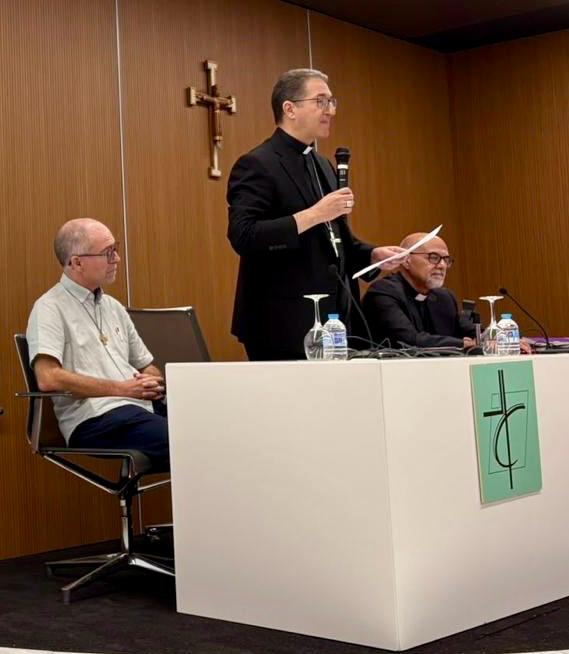
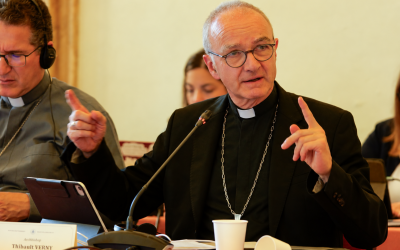
In his opening address, Alí Herrera, Secretary of the Pontifical Commission for the Protection of Minors, called on safeguarding professionals to recognise that child protection today must extend fully into the digital world.
Addressing representatives of diocesan safeguarding offices, religious congregations, educators and experts, Alí Herrera stressed that the voices of victims and survivors must remain at the centre of all safeguarding efforts.
“To them we owe the truth of what we are capable of seeing today and the urgency with which we are called to act.”
He also paid tribute to the extensive work being carried out across Spain by safeguarding offices, describing them as places of listening, accompaniment, prevention and formation.
“This work is not done in solitude; it is done in community and as part of a community of faith.”
A central theme of the address was the increasingly blurred line between online and offline life for children and adolescents. Alí Herrera warned against viewing the digital sphere as somehow separate from reality.
“For today’s children and adolescents that frontier does not exist. The digital environment is the playground where they play, the square where they meet, the classroom where they learn and, often, the place where they are wounded,” continued Mons Ali.
“An abuse facilitated, amplified or generated through technological means is a real abuse, with real victims and real suffering.”
The Secretary highlighted the speed with which artificial intelligence has become embedded in the lives of young people. Referring to recent research, he noted that a large proportion of children already use generative AI tools for information, schoolwork and even emotional support, often interacting with systems they neither understand nor have any role in shaping.
Among the dangers identified were AI-generated child sexual abuse material, the manipulation of images of minors through “nudification” technologies, online grooming facilitated by artificial intelligence, deepfakes targeting children, and the large-scale collection of children’s personal data without meaningful consent.
Particularly concerning, he said, is the emergence of AI-powered companion chatbots designed to retain users’ attention and encourage emotional attachment.
“There is also a more recent and subtle frontier: companion chatbots, designed to retain attention and capable of generating emotional dependency among minors, especially within a generation that reports growing levels of loneliness.”
While acknowledging these risks, Alí Herrera emphasised that the Church’s response should be guided not by fear of technology but by ethical reflection and a commitment to human dignity. He referenced both the teaching of Pope Francis and the more recent guidance provided by the Church concerning artificial intelligence.
“Technology does not free us from responsibility; it multiplies it,” Commission Secretary, Mons. Alì
He also pointed to the leadership of Pope Leo XIV, who has identified the ethical governance of artificial intelligence and the protection of children online among the priorities of his pontificate. According to Alí Herrera, the Pope has called on adults to become once again “artisans of education” in an age of rapid technological change.
The speech outlined several practical priorities for safeguarding professionals. First, existing systems of listening and support must be expanded to respond to new forms of online harm, including manipulated images, online harassment, and AI-assisted exploitation. Second, digital literacy and awareness of AI-related risks must become a standard component of safeguarding training for clergy, religious, educators and pastoral workers. Diocesan safeguarding guidelines, he argued, should explicitly address digital risks and regulate online communication between adults and minors.
The Pontifical Commission for the Protection of Minors, he said, is committed to accompanying episcopal conferences and local churches in integrating these new challenges into their safeguarding frameworks.
At the same time, Alí Herrera cautioned against allowing technology to replace human judgment and pastoral care.
“Artificial intelligence may help us in administration or analysis, but the reception of a victim, the discernment of a case and decisions concerning a person can never be delegated to an algorithm.”
“At a time when machines simulate empathy, the Church must continue to be the place where every person encounters a true face and a true voice.”
Despite the challenges, the Secretary concluded on a hopeful note, stressing the importance of involving children and young people themselves in shaping responses to digital risks.
“Listening to them is not a participatory decoration; it is a duty of justice and a source of wisdom.”
Closing the address, Alí Herrera reminded participants that safeguarding ultimately concerns the concrete lives of children.
“The reality that summons us is the concrete flesh of every child and every adolescent, in whom the Lord himself comes to meet us.”
His message underscored a growing consensus among safeguarding practitioners: as children increasingly inhabit digital environments shaped by artificial intelligence, protecting them requires not only new tools and protocols, but also renewed commitment to listening, education, accountability and human accompaniment.
The challenge for safeguarding ministries today is no longer whether to engage with the digital world, but how quickly and effectively they can do so.
0 Comments