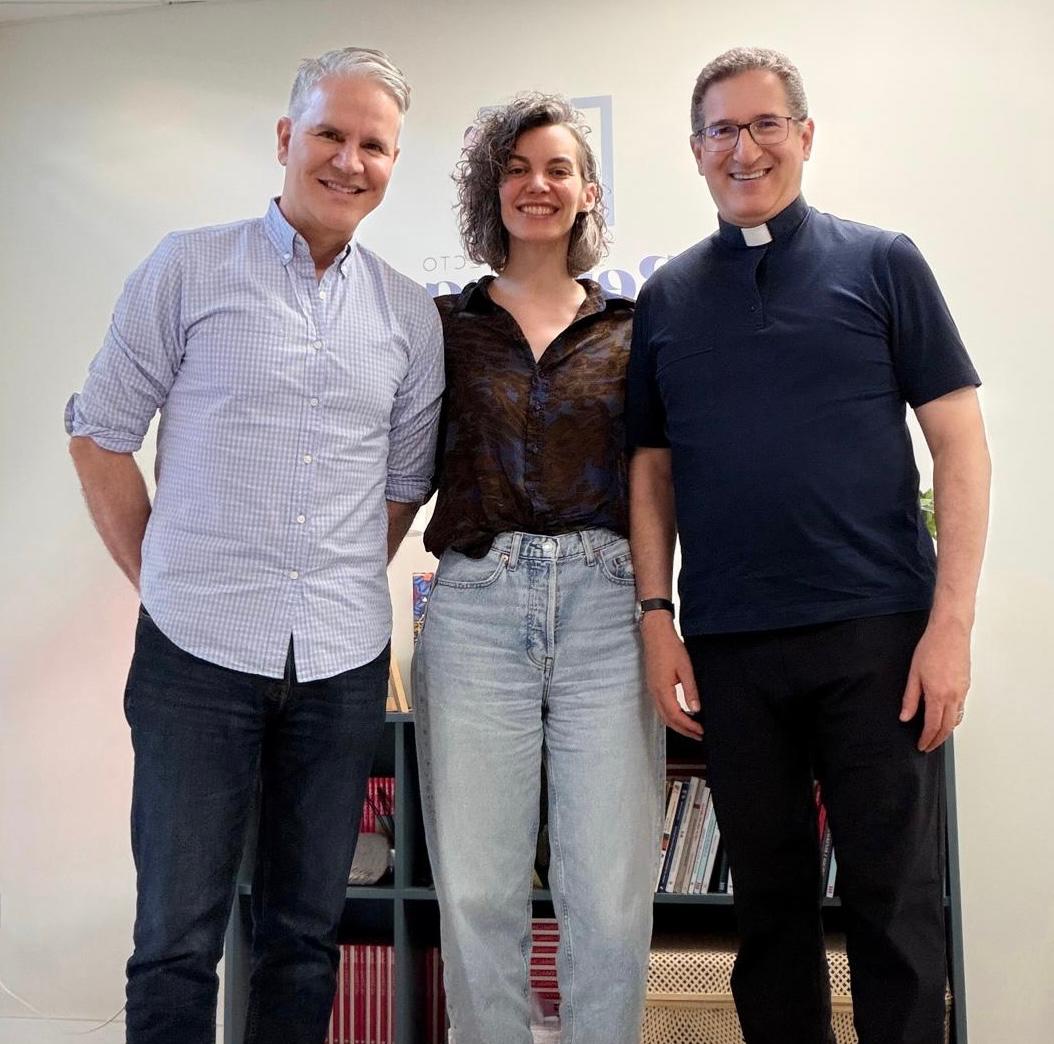
During a visit to REPARA on 19 September, Bishop Alí Herrera, Secretary and Juan Carlos Cruz, member of the Pontifical Commission for the Protection of Minors, met Lidia Troya, Coordinator of the Archdiocese of Madrid’s centre for the support of people affected by abuse within the Church. The visit offered an opportunity to reflect on the importance of victim accompaniment, healing, and the lessons that survivors continue to teach the Church.
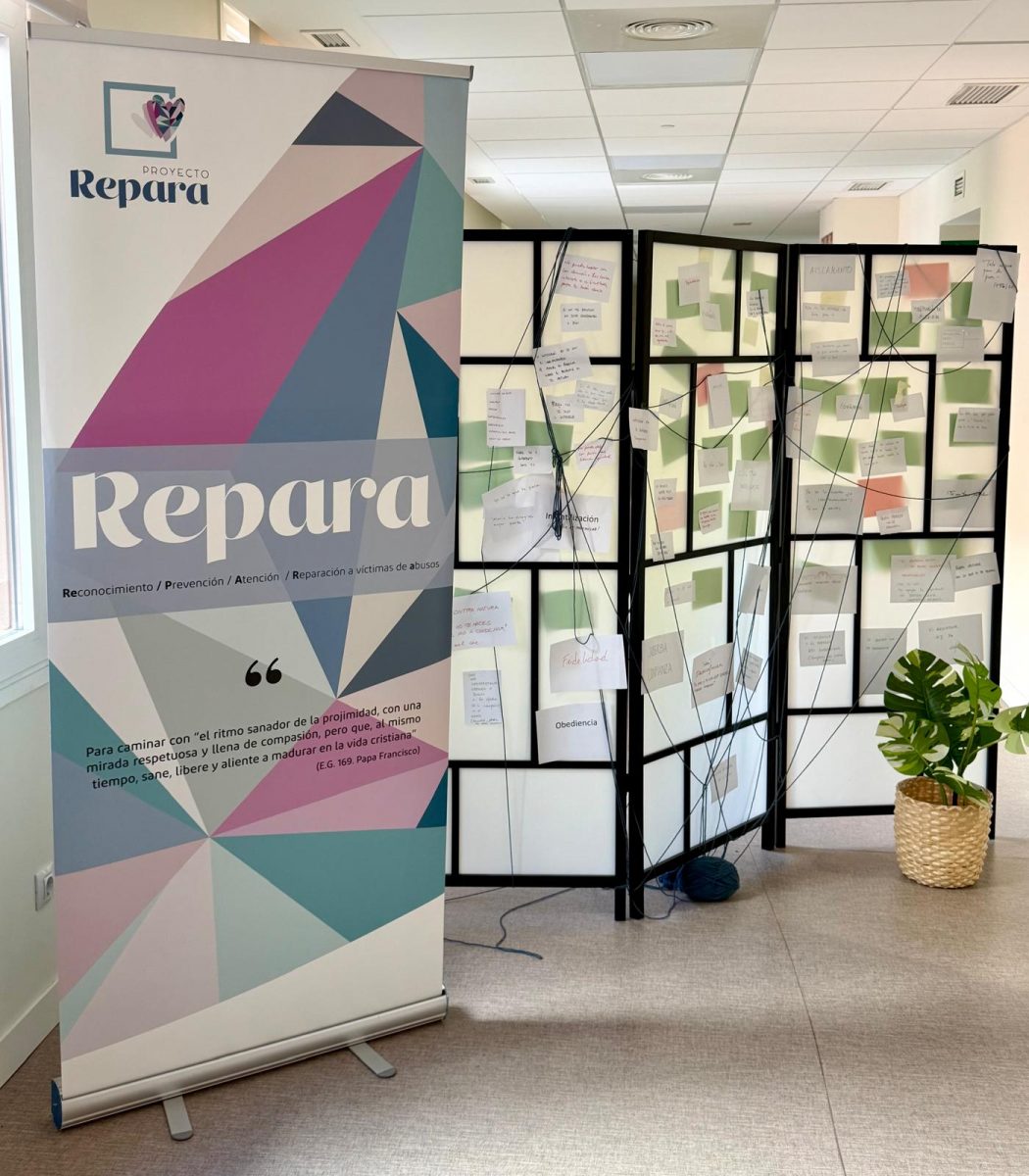
The door of the REPARA centre in Madrid opens onto a spacious area on the second floor of the Cáritas headquarters. There, support is provided to people who arrive carrying wounds caused by abuse, primarily within the Church.
REPARA is the Archdiocese of Madrid’s centre for victim support and abuse prevention. For years, it was assumed, almost instinctively, that only those who had suffered sexual abuse as children or adolescents would come through its doors. Experience has revealed a different reality: adults also seek help, people who were not vulnerable when the harm occurred but who were made vulnerable through abuses of conscience, spiritual abuse, the misuse of authority, and a failure to respect the trust placed in others. If these centres are to respond to reality, their focus must broaden.
Such openness requires more than goodwill. Diocesan victim-support and abuse-prevention centres generally need stronger backing: adequate budgets to sustain professional staff, stable programmes for accompaniment and staff care, educational resources, scientific data collection, and long-term continuity. This concern has been voiced in many parts of the world: care for victims cannot rest entirely on volunteers or limited financial resources.
Such openness requires more than goodwill. Diocesan victim-support and abuse-prevention centres generally need stronger backing: adequate budgets to sustain professional staff, stable programmes for accompaniment and staff care, educational resources, scientific data collection, and long-term continuity. This concern has been voiced in many parts of the world: care for victims cannot rest entirely on volunteers or limited financial resources.
When this happens, the risk is not only that services become fragile, but also that institutions end up offering a cosmetic response, useful mainly for inclusion in periodic reports, rather than providing professional and sustained support to those who suffer, their families, and their faith communities.
Prevention matters, and it matters greatly. But prevention is no substitute for accompaniment. The victims who exist today, each with their own name and story, need to be listened to. They need time, and they need professionals who can accompany them on their journey toward integral healing and restoration.
During the visit, one lesson emerged that no document can teach: the wisdom of survivors is not written on paper. It is inscribed in the wounded yet resilient hearts of real people.
We left REPARA with that conviction and with the image of that same door, which continues to open every morning.
0 Comments