YANGON, Myanmar — In a national context marked by conflict, displacement, natural disaster and ongoing humanitarian pressure, the Catholic Church in Myanmar has taken another step in strengthening its safeguarding work through a five-session Training of Trainers for diocesan safeguarding focal persons.
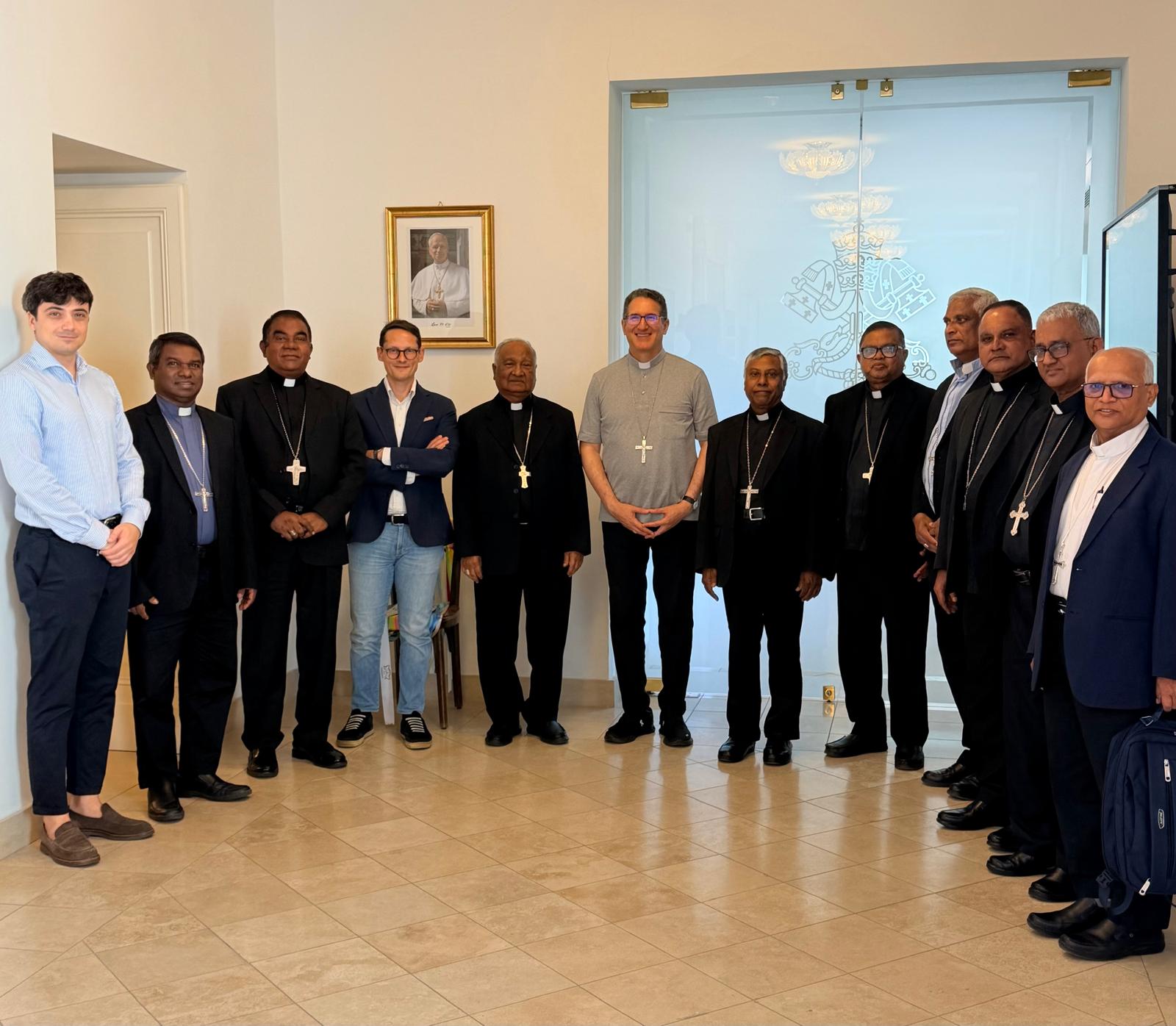
The online programme, held from 20–25 April 2026, was delivered in close partnership between the Pontifical Commission for the Protection of Minors Asia-Oceania Regional Expert and the Office for the Protection of Minors of the Catholic Bishops’ Conference of Myanmar (CBCM). It brought together more than 80 clergy, religious and Church personnel, with participation reaching all 17 dioceses of Myanmar.
The training grew out of ongoing regional accompaniment between the Church in Myanmar and the Commission Asia-Oceania Regional Expert, Mr Daniele Donnini, and was designed and facilitated in close coordination with the CBCM Office for the Protection of Minors. The Office holds an important national role in connecting diocesan focal persons and supporting more consistent safeguarding practice across the country.
The initiative took place amid one of the most complex child-protection environments in Southeast Asia. Since the military coup of February 2021, conflict has displaced millions of people inside Myanmar, with children facing increased risks of family separation, abuse, exploitation and trafficking. UNICEF has estimated that at least 6.4 million children require humanitarian assistance, and the situation has been further affected by economic pressure, damaged infrastructure and the impact of natural disaster, including the March 2025 earthquake.
These realities give the Church’s safeguarding work immediate pastoral and practical importance. In many conflict-affected areas, Catholic clergy, religious and lay personnel continue to provide accompaniment, support and care to communities facing significant disruption. Strengthening safeguarding capacity in this context is therefore not only a technical exercise, but part of the Church’s wider commitment to protect children and vulnerable adults in difficult circumstances.
Across four content-delivery sessions and a fifth plenary discussion with Q&A, participants were introduced to shared safeguarding language, abuse-prevention methodology and the Universal Guidelines Framework as a common reference point. Each session combined input with structured small-group work, helping participants begin to identify practical steps for implementation in their own diocesan and cultural contexts.
Post-delivery feedback showed a clear strengthening of participant confidence between the start and end of the programme. Participants identified concrete next steps for their dioceses, including the formation of coordinating teams, cascaded training for parish focal persons, and the development or updating of diocesan safeguarding policies. The area identified as needing the most ongoing accompaniment was reporting pathways and accountability at the diocesan level. Overall participant feedback was strongly positive, with a session rating of 4.24 out of 5.
The Training of Trainers marks an early phase in a longer journey of accompaniment with the Church in Myanmar. The Commission will continue to support the Catholic Bishops’ Conference of Myanmar and the Office for the Protection of Minors as they build a sustainable safeguarding culture and strengthen shared responsibility for the protection of children and vulnerable adults across the Church in Myanmar and the wider Asia-Oceania region.

0 Comments